 Spending time outdoors is one of the best parts of warmer weather, but it also means dealing with biting pests like ticks and mosquitoes. While both can leave itchy marks on your skin, knowing the difference between a tick bite and a mosquito bite is important because ticks can carry serious diseases such as Lyme disease.
In this guide, we’ll explain how to identify tick bites vs mosquito bites, what symptoms to watch for, and how to protect your family and pets from both pests.
What Does a Mosquito Bite Look Like?
Mosquito bites are usually easy to recognize. They often appear as:
- Small, raised bumps
- Red or pink skin irritation
- Immediate itching
- Multiple bites in exposed areas
Mosquitoes bite quickly and fly away, so you rarely see them attached to the skin afterward. Most mosquito bites are harmless, although some mosquitoes can spread illnesses like West Nile virus and Eastern Equine Encephalitis (EEE).
Common Mosquito Bite Symptoms
- Itching
- Mild swelling
- Redness
- Temporary irritation
Most mosquito bites improve within a few days without treatment.
What Does a Tick Bite Look Like?
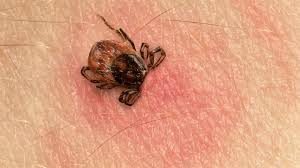
Tick bites can be more difficult to identify because ticks often stay attached to the skin while feeding. Tick bites are usually:
- Smaller and less itchy than mosquito bites
- Found near warm areas of the body
- Sometimes accompanied by a visible attached tick
- Occasionally surrounded by a rash
Unlike mosquitoes, ticks can remain attached for several hours or even days.
Common Tick Bite Symptoms
- Small red spot
- Mild swelling
- Bullseye-shaped rash (in some cases)
- Fever or fatigue if disease transmission occurs
One of the most serious concerns with tick bites is the risk of Lyme disease.
For more information about Lyme disease symptoms, visit the Centers for Disease Control and Prevention (CDC).
Tick Bites vs Mosquito Bites: Key Differences
| Feature | Tick Bite | Mosquito Bite |
|---|---|---|
| Itchiness | Mild or delayed | Immediate and itchy |
| Appearance | Small red spot, possible rash | Raised bump |
| Attached Insect | Often yes | No |
| Disease Risk | Lyme disease, Rocky Mountain spotted fever | West Nile virus, EEE |
| Bite Duration | Hours to days | Seconds |
When Should You Be Concerned?
You should contact a healthcare professional if you experience:
- Fever
- Fatigue
- Muscle aches
- A spreading rash
- Difficulty breathing
- Signs of infection
Tick-borne illnesses are easier to treat when caught early.
How to Prevent Tick and Mosquito Bites
The best protection is reducing exposure around your home and during outdoor activities.
Prevention Tips
- Wear long sleeves and pants in wooded areas
- Use EPA-approved insect repellents
- Remove standing water from your yard
- Keep grass trimmed short
- Check pets and children after outdoor activities
Professional yard treatments can also help reduce tick and mosquito populations around your property.
Learn more about our Mosquito Control Services and Tick Control Treatments.
Why Professional Tick and Mosquito Control Matters
DIY sprays may provide temporary relief, but professional treatments target breeding and hiding areas more effectively. A customized pest management plan can help protect your family throughout the entire season.
At Your Pest Control Company, we provide targeted mosquito and tick control services designed to keep your outdoor spaces safer and more enjoyable.
Final Thoughts
Although tick bites and mosquito bites may look similar at first, there are important differences in appearance, symptoms, and health risks. Understanding how to identify each bite can help you respond quickly and reduce the risk of disease.
If you’re noticing increased tick or mosquito activity around your home, professional pest control treatments can help you reclaim your yard and enjoy the outdoors with greater peace of mind.