 Turtle habitats, such as ponds, wetlands, and slow-moving streams, are bustling ecosystems full of life. However, they can also become hotspots for mosquitoes. Understanding mosquitoes in turtle habitats is key to balancing natural pest control with ecological health.
While mosquitoes may pose risks to humans and animals, turtles and other wildlife play a crucial role in maintaining balance and limiting mosquito populations naturally.
🦟 The Mosquito Presence in Turtle Habitats
Mosquitoes thrive in standing or slow-moving water, which makes turtle ponds ideal breeding grounds. Common scenarios include:
-
Water puddles and shallow edges: Mosquitoes lay eggs just above the waterline.
-
Plant containers and debris: Organic matter near the water provides hiding spots for larvae.
-
Warm, sheltered areas: Microclimates in dense vegetation or logs can allow mosquitoes to persist even in cooler seasons.
While the presence of mosquitoes is natural, it can lead to potential problems if their populations grow unchecked.
For more about mosquito life cycles, see CDC Mosquito Life Cycle.
🐢 Turtles as Natural Mosquito Predators
Turtles are more than just pond inhabitants—they act as natural pest controllers. Many species feed on mosquito larvae, reducing the number of adults that can spread disease:
-
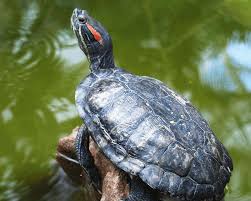
Red-Eared Sliders (Trachemys scripta elegans): Consume aquatic insects and larvae.
-
Painted Turtles (Chrysemys picta): Opportunistic feeders, eating mosquito larvae along with other small invertebrates.
-
Juvenile Snapping Turtles (Chelydra serpentina): Feed on small aquatic prey, including mosquito larvae.
By feeding on larvae, turtles help maintain a natural ecological balance, keeping mosquito populations in check.
For insights on natural mosquito control in wildlife habitats, see Backyard Wildlife: Friends, Foes, and the Fight Against Mosquitoes.
⚠️ Risks of Mosquitoes in Turtle Habitats
While turtles help control mosquito numbers, high mosquito populations in turtle habitats can create risks:
-
Disease Transmission: Mosquitoes can carry diseases like West Nile virus, affecting humans, pets, and wildlife.
-
Ecological Imbalance: Excess mosquitoes can stress other wildlife and disrupt food chains.
-
Nuisance Factor: Large mosquito populations make backyard ponds less enjoyable for people.
The World Health Organization (WHO) highlights that managing mosquito populations in natural habitats is critical to preventing disease spread.
🌿 Maintaining Ecological Balance
To ensure healthy turtle habitats while minimizing mosquito risks:
-
Promote turtle populations: Turtles naturally consume mosquito larvae.
-
Encourage diverse wildlife: Frogs, dragonflies, and small fish complement turtles in controlling mosquitoes.
-
Maintain water quality: Avoid stagnant water and remove debris where mosquitoes breed.
-
Avoid chemicals: Pesticides can harm turtles and other beneficial species.
Supporting natural predators in a balanced ecosystem reduces mosquito risks without harming wildlife.
For tips on supporting wildlife while reducing mosquitoes, see How Supporting Local Wildlife Helps Fight the Bite.
🌟 Final Thoughts
Mosquitoes in turtle habitats are a natural part of aquatic ecosystems, but unchecked populations can pose risks to humans, pets, and wildlife. Fortunately, turtles and other aquatic species act as natural pest controllers, maintaining ecological balance.
By creating diverse, healthy ponds and wetlands, homeowners and conservationists can enjoy the benefits of turtle habitats while keeping mosquitoes under control—a perfect example of nature’s self-regulating systems in action.