 As temperatures rise across the state, understanding mosquito season vs tick season in Maryland becomes increasingly important for homeowners. Both pests become more active during the warmer months and can impact your family’s comfort and health. While mosquitoes are known for their irritating bites and ability to spread certain diseases, ticks can transmit serious illnesses such as Lyme disease. Knowing when each pest is most active and how to protect your property can help you enjoy your outdoor spaces safely throughout the season.
When Is Mosquito Season in Maryland?
Mosquito season in Maryland typically begins in late spring and extends through early fall. Mosquito activity increases significantly when temperatures consistently stay above 50°F, with populations peaking during June, July, and August.
Maryland’s humid climate, abundant rainfall, and numerous waterways create ideal breeding conditions for mosquitoes. Even small amounts of standing water in birdbaths, gutters, flowerpots, and children’s toys can become mosquito breeding sites.
Common mosquito hotspots include:
- Backyard ponds and water features
- Clogged gutters
- Bird baths
- Unused swimming pools
- Low-lying areas that collect rainwater
- Dense shrubs and landscaping
When Is Tick Season in Maryland?
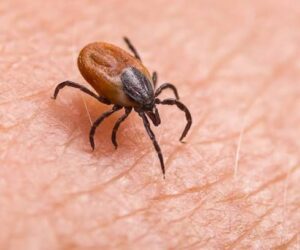
Unlike mosquitoes, ticks can remain active for much longer periods. Tick season in Maryland generally begins in early spring and can continue into late fall—and even winter during mild weather.
The most active months for ticks are April through October, with nymph-stage ticks posing the greatest threat during late spring and early summer. These immature ticks are extremely small and often go unnoticed, increasing the risk of disease transmission.
Ticks are commonly found in:
- Wooded areas
- Tall grass
- Leaf litter
- Hiking trails
- Property edges bordering forests
- Overgrown landscaping
Health Risks Associated with Mosquitoes
Mosquitoes are more than just a nuisance. Certain species can transmit diseases that affect both humans and animals.
Potential mosquito-borne illnesses include:
- West Nile Virus
- Eastern Equine Encephalitis (EEE)
- La Crosse Encephalitis
While most mosquito bites result only in itching and irritation, reducing mosquito populations around your home can help minimize exposure risks.
According to the Centers for Disease Control and Prevention (CDC), mosquitoes can transmit diseases such as West Nile Virus and other illnesses that may affect both humans and animals. While most mosquito bites cause only minor irritation, reducing mosquito populations around your home can help minimize potential health risks.
Health Risks Associated with Ticks
Ticks are responsible for transmitting several serious illnesses throughout Maryland.
The most common tick-borne diseases include:
- Lyme Disease
- Anaplasmosis
- Babesiosis
- Ehrlichiosis
- Rocky Mountain Spotted Fever
Maryland consistently reports cases of Lyme disease each year, making tick prevention an important part of outdoor safety.
Mosquitoes vs. Ticks: Key Differences
| Factor | Mosquitoes | Ticks |
|---|---|---|
| Peak Activity | June–August | April–October |
| Habitat | Standing water and shady areas | Woods, tall grass, leaf litter |
| Movement | Flying insect | Crawling arachnid |
| Common Risk | Bites and irritation | Disease transmission |
| Prevention | Eliminate standing water | Reduce brush and tall grass |
How to Protect Your Property
The good news is that many prevention strategies help reduce both mosquito and tick populations.
Mosquito Prevention Tips
- Remove standing water weekly.
- Clean gutters regularly.
- Keep pools properly maintained.
- Trim dense vegetation.
- Schedule professional mosquito treatments during peak season.
Tick Prevention Tips
- Mow lawns regularly.
- Remove leaf litter and yard debris.
- Create mulch barriers between lawns and wooded areas.
- Keep shrubs trimmed.
- Perform tick checks after spending time outdoors.
Why Professional Pest Control Matters
Mosquitoes and ticks thrive in Maryland’s climate, making complete elimination difficult without professional assistance. A targeted pest management program can help identify breeding sites, reduce pest populations, and provide season-long protection.
Many homeowners find that combining mosquito control and tick control services offers the most comprehensive protection for their families and pets.
Final Thoughts
Both mosquito season and tick season overlap significantly in Maryland, especially during the summer months. While mosquitoes can quickly disrupt outdoor activities, ticks often present a greater long-term health concern due to their ability to transmit disease.
By understanding when these pests are most active and taking preventative measures, Maryland homeowners can enjoy their outdoor spaces with greater peace of mind throughout the season.
If you’re noticing increased mosquito or tick activity around your property, professional treatment can help create a safer and more enjoyable outdoor environment.
Contact us today to schedule your treatment!