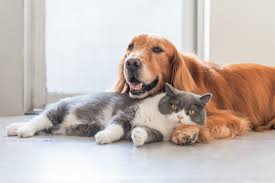
Understanding How Mosquitoes Affect Dogs and Cats is important for every pet owner. Mosquitoes are not just irritating pests — they can spread dangerous diseases like heartworm, cause allergic reactions, and lead to skin infections in pets. Dogs and cats exposed to mosquito bites may experience serious health complications if proper prevention measures are not taken. By learning the risks and how to protect your pets, you can help keep them healthy and safe all year long.
Why Mosquitoes Are Dangerous for Pets
Mosquitoes feed on blood, and during this process, they can transmit harmful parasites and diseases to animals. Dogs and cats are especially vulnerable because they spend time outdoors, exposing them to mosquito bites regularly.
The biggest concern linked to mosquito bites in pets is heartworm disease, a potentially life-threatening condition caused by parasitic worms that live in the heart, lungs, and blood vessels.
Heartworm Disease in Dogs
Dogs are the primary host for heartworms, making them highly susceptible to infection. When an infected mosquito bites a dog, microscopic heartworm larvae enter the bloodstream and eventually mature into adult worms.
Symptoms of Heartworm in Dogs
Some common signs include:
- Persistent coughing
- Fatigue after exercise
- Difficulty breathing
- Weight loss
- Reduced appetite
- Swollen abdomen in severe cases
Without treatment, heartworm disease can lead to heart failure and severe lung damage.
Prevention for Dogs
Preventing heartworm is much easier and safer than treating it. Pet owners should:
- Use veterinarian-approved heartworm preventatives
- Reduce standing water around the home
- Keep dogs indoors during peak mosquito activity
- Use pet-safe mosquito repellents
You can also visit the American Heartworm Society – Detailed information about heartworm prevention and treatment for pets.
Heartworm Disease in Cats
Although cats are less common hosts for heartworms, they are still at risk. Even a small number of worms can cause severe respiratory problems or sudden death in cats.
Symptoms of Heartworm in Cats
Symptoms may include:
- Coughing or wheezing
- Vomiting
- Loss of appetite
- Difficulty breathing
- Lethargy
Because symptoms often resemble asthma or other respiratory illnesses, diagnosis can be difficult.
Prevention for Cats
Indoor cats are not fully protected from mosquitoes, so prevention is still important. Cat owners should:
- Use monthly heartworm prevention recommended by a veterinarian
- Install window screens
- Eliminate mosquito breeding areas near the home
Allergic Reactions and Skin Irritation
Mosquito bites can also trigger allergic reactions in some pets. Dogs and cats with sensitive skin may develop:
- Redness
- Swelling
- Excessive scratching
- Hair loss around bite areas
- Skin infections caused by scratching
Certain pets may develop mosquito bite hypersensitivity, especially around the ears, nose, and belly where fur is thinner.
Secondary Infections from Scratching
Constant scratching and licking of mosquito bites can break the skin and allow bacteria to enter. This may result in:
- Hot spots
- Skin infections
- Open wounds
- Increased discomfort
Keeping bites under control can help prevent more serious skin issues.
How to Protect Pets from Mosquitoes
Protecting your pets from mosquitoes involves a combination of prevention strategies:
1. Remove Standing Water
Mosquitoes breed in stagnant water. Empty bird baths, buckets, flower pot trays, and gutters regularly.
2. Keep Grass and Shrubs Trimmed
Mosquitoes often hide in shaded, damp areas during the day.
3. Use Pet-Safe Preventatives
Always consult your veterinarian before using sprays, collars, or topical treatments.
4. Limit Outdoor Activity at Dawn and Dusk
Mosquitoes are most active during these times.
5. Schedule Regular Veterinary Checkups
Annual heartworm testing helps detect infections early.
Can Mosquitoes Spread Other Diseases to Pets?
In some regions, mosquitoes may carry additional viruses and parasites that can affect animals. While heartworm remains the primary concern, mosquito control is still important for overall pet health and comfort.
Final Thoughts
Mosquitoes may seem harmless, but they can seriously affect the health of dogs and cats. Heartworm disease, allergic reactions, and skin infections are all potential dangers linked to mosquito bites. By using preventative medications, reducing mosquito exposure, and maintaining regular veterinary care, pet owners can help keep their pets safe year-round.
Protecting your pets from mosquitoes is an important part of responsible pet ownership and can greatly improve their quality of life.
Contact us today to schedule your treatment!