 As mosquito season begins in Maryland, many homeowners ask an important question: do mosquitoes here actually carry diseases? The answer is yes—while not every mosquito is dangerous, some species in Maryland can transmit illnesses that pose real health risks.
Understanding these risks—and how to prevent them—can help you protect your family and enjoy your outdoor space with peace of mind.
Do Mosquitoes in Maryland Carry Diseases?
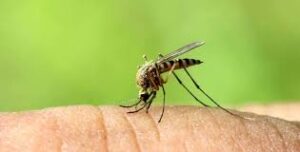
Yes, certain mosquitoes in Maryland are known to carry and transmit diseases to humans. These viruses are typically spread through mosquito bites after the insect feeds on an infected host (like birds or animals).
According to the Centers for Disease Control and Prevention, mosquito-borne diseases are a growing concern across the United States, particularly during warmer months.
You can explore more on mosquito-borne illnesses through the Centers for Disease Control and Prevention resources.
Common Mosquito-Borne Diseases in Maryland
While Maryland does not see tropical diseases like malaria on a regular basis, there are still several illnesses to be aware of:
1. West Nile Virus
This is the most common mosquito-borne disease in Maryland. Most people infected show no symptoms, but some may experience:
- Fever
- Headaches
- Body aches
- In rare cases, neurological complications
2. Eastern Equine Encephalitis (EEE)
Though rare, EEE is a serious virus that can cause brain inflammation. It has a higher risk of severe outcomes, especially in older adults.
3. Zika Virus (Travel-Related Cases)
While not locally widespread, cases have occurred in the U.S., usually linked to travel. It remains a concern due to its potential impact on pregnancy.
The Maryland Department of Health monitors these diseases and provides updates on local mosquito activity and risks.
When Is the Risk Highest?
The risk of mosquito-borne diseases increases during:
- Late spring through early fall
- Periods of heavy rainfall
- Warm, humid conditions
April marks the beginning of mosquito activity, which means early prevention is key before populations—and risks—grow.
Who Is Most at Risk?
While anyone can be bitten, certain groups are more vulnerable to complications:
- Older adults
- Young children
- People with weakened immune systems
Even if the overall risk is low, it’s important to take precautions—especially for households with higher-risk individuals.
How to Protect Your Family
Reducing your exposure to mosquitoes is the best way to lower disease risk. Here are proven prevention methods:
Eliminate Standing Water
Mosquitoes breed in water, so remove sources like:
- Buckets and containers
- Clogged gutters
- Birdbaths (refresh water frequently)
The Environmental Protection Agency emphasizes source reduction as the first line of defense. You can learn more through their Environmental Protection Agency materials.
Use Protective Measures
- Wear long sleeves when possible
- Use EPA-approved insect repellents
- Install or repair window screens
Consider Professional Mosquito Control
Professional treatments help reduce mosquito populations at the source, especially during peak season. This is one of the most effective ways to maintain a safer outdoor environment.
Are Mosquito-Borne Diseases Common in Maryland?
The good news is that serious illness from mosquito bites is relatively uncommon. However, cases do occur every year, and prevention is far easier than dealing with the consequences of infection.
Staying informed and proactive significantly reduces your risk.
Final Thoughts
So, do mosquitoes in Maryland carry diseases? Yes—but with the right precautions, the risk can be managed effectively.
By starting prevention early, eliminating breeding areas, and considering professional treatments, you can protect your family and enjoy your yard without worry.