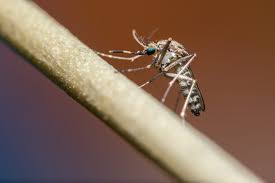
 Many assume that once cold weather rolls in, mosquitoes — and the diseases they carry — disappear. But that’s not always the case. As climate patterns shift and winters become milder, the risk of mosquito-borne illnesses in winter is becoming more relevant. Even when temperatures drop, mosquitoes may linger, and in some regions, the conditions remain suitable enough for certain disease-carrying mosquitoes to survive and potentially transmit viruses. Illinois Science Council+2NSF – U.S. National Science Foundation+2
How Winter & Climate Affect Mosquito Disease Risk
Longer Transmission Seasons
Research shows that warmer overall temperatures and fewer hard freezes extend the active period for mosquitoes — which in turn lengthens the window for disease transmission. PubMed+2US EPA+2
Higher Mosquito Survival Over Winter
When winters are mild, fewer mosquitoes (or their eggs/larvae) die — increasing the “starting population” once spring begins. That survival boost can translate into more mosquitoes capable of carrying disease. Illinois Science Council+2Wisconsin Department of Health Services+2
Potential for Off-Season Activity in Certain Regions
In some warmer climates (or during unseasonably warm winter periods), mosquitoes may remain active — meaning risk doesn’t always vanish with the first frost. Consumer Reports+2newschannelnebraska.com+2
Climate Change and Shifting Patterns of Mosquito-Borne Diseases
As climate change alters temperature and precipitation patterns, regions previously considered low-risk for winter mosquitoes may become more vulnerable. This can lead to a broader geographic and seasonal spread of diseases. US EPA+2Illinois Science Council+2
Common Mosquito-Borne Illnesses to Watch Out For
While mosquitoes are most active in spring through fall, several illnesses remain relevant if mosquitoes survive winter or early warm spells return:
-
West Nile Virus (WNV): A leading mosquito-borne disease in the U.S., known to cause fever, body aches, and in severe cases, neurological illness. CDC+1
-
Other viruses vectored by mosquitoes in certain regions may have shifting patterns due to climate and mosquito survival. Wisconsin Department of Health Services+1
Because of these risks, assuming “no mosquitoes = no risk” during winter can be a dangerous mistake.
What Homeowners Should Do — Even in Winter
If you live in an area where winters are mild — or where mosquito activity sometimes lingers — it’s smart to stay vigilant. Here’s what you can do:
-
Remove standing water — check gutters, bird baths, plant saucers, and any items that collect water; even small amounts can support mosquito breeding. U.S. Army+1
-
Inspect and repair window and door screens to keep mosquitoes out of your living spaces.
-
Use mosquito repellent when outdoors, especially if temperatures or precipitation create favorable conditions for mosquitoes. newschannelnebraska.com+1
-
Consider year-round prevention plans — especially if you live in a region where warm spells or mild winters are common.
• For a year-round mosquito prevention plan, see our services page: Mosquito Sheriff
Final Thoughts
“Winter” doesn’t always mean “mosquito-free.” With shifting climate patterns and milder winters increasingly common, the risk of mosquito-borne illnesses in winter shouldn’t be ignored. Taking preventive measures — even when it feels safe — ensures you’re protected year-round.