 For most people, winter is a time when insects vanish and outdoor pests become a distant memory. But in many regions, homeowners still spot buzzing pests well into December. If you’ve ever wondered why mosquitoes in December are still active, you’re not imagining it—mosquito behavior is changing, and winter conditions may not be as mosquito-free as they once were.
Below, we break down WHY mosquitoes stick around in the colder months and what you can do to protect your home.
1. Warmer Winters Are Extending Mosquito Season
Over the past decade, many regions have experienced warmer-than-average winters. Mosquitoes are cold-blooded and thrive in temperatures above 50°F (10°C). When December temperatures don’t drop enough, mosquitoes don’t fully enter dormancy.
Studies show that rising winter temperatures allow some species—especially Aedes albopictus (the Asian Tiger Mosquito)—to stay active far later than normal.
• Learn more about mosquito temperature tolerance (CDC): https://www.cdc.gov/mosquitoes
2. Some Mosquito Species Remain Active Year-Round
Not all mosquitoes behave the same. Certain species survive by adapting to winter conditions in surprising ways:
Egg Diapause
Many mosquito eggs are designed to survive freezing temperatures. They overwinter in containers, gutters, flowerpots, and yard debris—hatching as soon as warm temperatures return.
Indoor Overwintering
Some mosquitoes hide and wait in warmer indoor environments:
-
Garages
-
Crawl spaces
-
Sheds
-
Basements
If a warm spell hits in December, they may become active again.
3. Microclimates Can Keep Mosquitoes Alive
Even when temperatures drop outside, microclimates can form around your home that support mosquito life:
-
Areas near standing water
-
Leaf piles or dense vegetation
-
Near homes that release heat
-
Around clogged gutters
-
Inside tarps, overturned toys, or planters
These pockets of warmth allow mosquitoes to shelter and emerge when temperatures rise temporarily.
4. Standing Water Doesn’t Disappear in Winter
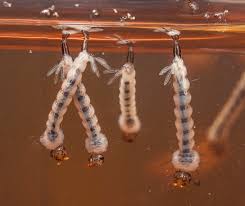
Mosquitoes only need ½ inch of water to lay eggs. Winter rain, snowmelt, and clogged gutters create perfect breeding spots—even in December.
Common winter water sources include:
-
Bird baths
-
Uncovered trash-can lids
-
Plant saucers
-
Old tires
-
Drainage areas
-
Yard depressions that hold water
Clearing these areas year-round dramatically reduces winter activity.
5. Climate Change Is Making Winter Mosquitoes More Common
Climate patterns are shifting. Warmer temperatures, increased rainfall, and shorter freeze periods mean mosquito populations survive longer and grow larger.
As a result:
-
Mosquito season lasts longer
-
More species can thrive in new regions
-
Activity extends into late fall and early winter
-
Overwintering becomes more successful
This is why mosquitoes in December are no longer surprising in many states.
How to Reduce Mosquito Activity in December
Even though mosquito season should be slowing down, December is still a smart time to reduce mosquito habitats and plan ahead for next year.
What You Can Do Now:
✔ Inspect your yard for standing water
✔ Clean gutters and downspouts
✔ Remove leaf piles
✔ Store outdoor equipment properly
✔ Seal entry points around the home
✔ Maintain landscaping to eliminate shelter areas
Should You Get Mosquito Treatments in Winter?
Absolutely. Winter is often the best time to prepare for next season. Treating in December can:
-
Kill overwintering larvae
-
Reduce egg sites
-
Prevent early-spring hatching
-
Reduce your 2026 mosquito population before it starts
Many homeowners choose winter treatments to get ahead of spring.
• Contact us for a winter assessment: Mosquito Sheriff
Final Thoughts
If you’re seeing mosquitoes in December, it’s not just bad luck—it’s a sign of changing weather patterns and evolving mosquito behavior. With a combination of warm spells, sheltered hiding spots, and standing water, mosquitoes can stay active long after summer ends.
Taking action now keeps your home protected year-round.