

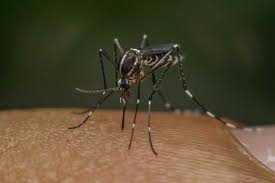
 Spring in Calvert County, Maryland brings blooming trees, greener lawns—and unfortunately, a surge in mosquitoes. If you’ve noticed more bites early in the season, you’re not imagining it. Spring rain plays a major role in creating the perfect conditions for mosquito breeding.
Here’s why mosquito populations spike so quickly—and what you can do to stop them.
Why Spring Rain Triggers Mosquito Explosions
Mosquitoes rely on standing water to reproduce. After periods of steady rain, yards across Calvert County, Maryland become filled with small, often unnoticed water sources.
Even a small amount of water—like what collects in a bottle cap—is enough for mosquitoes to lay eggs.
Common post-rain breeding sites include:
- Clogged gutters
- Flower pots and trays
- Tarps and outdoor furniture covers
- Low spots in lawns
- Buckets, toys, and containers
Once water is present, the mosquito life cycle begins almost immediately.
The Mosquito Life Cycle Moves Fast
In warm spring temperatures, mosquitoes can develop rapidly:
- Eggs are laid in standing water
- Larvae hatch within 24–48 hours
- Pupae develop over several days
- Adult mosquitoes emerge in as little as 7–10 days
That means one rainy week can lead to a noticeable mosquito problem shortly after.
Humidity Makes It Worse
Spring in Southern Maryland isn’t just wet—it’s humid. High humidity helps mosquitoes:
- Live longer
- Stay active throughout the day
- Travel farther in search of hosts
This combination of moisture and warmth creates ideal breeding conditions throughout Calvert County, Maryland.
Rural and Wooded Areas Are Especially Vulnerable
Homes in more wooded or rural parts of the county—like Huntingtown, Maryland—often experience even higher mosquito activity.
That’s because:
- Shade helps retain moisture
- Leaf litter traps water
- Natural depressions collect runoff
These environments act as long-term breeding zones if not properly managed.
Health Risks Increase with Mosquito Populations
As mosquito numbers rise, so does the risk of exposure to mosquito-borne illnesses like West Nile virus.
According to the Centers for Disease Control and Prevention, reducing standing water and limiting mosquito exposure are key steps in protecting your household.
What You Can Do After Spring Rain
The best defense is early and consistent action—especially after rainfall.
1. Eliminate Standing Water Quickly
Walk your property after rainstorms and empty anything holding water within 24–48 hours.
2. Improve Drainage
Fill in low spots in your yard and make sure gutters and downspouts are working properly.
3. Maintain Your Landscape
- Trim bushes and shrubs
- Remove yard debris
- Keep grass cut short
4. Consider Professional Mosquito Control
In areas like Calvert County, Maryland, where conditions are ideal for breeding, professional treatments can make a major difference.
They help:
- Target breeding and resting areas
- Interrupt the mosquito life cycle
- Provide ongoing protection throughout the season
Final Thoughts
Spring rain may be great for your lawn, but it also creates a mosquito breeding boom in Calvert County, Maryland. With fast life cycles, abundant water sources, and rising humidity, mosquito populations can escalate quickly.
The key is acting early—before those eggs turn into biting adults. With the right prevention steps and consistent treatment, you can stay ahead of the problem and enjoy your yard all season long.