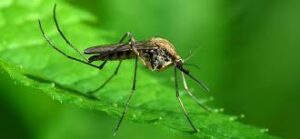
 Mosquitoes are a common problem for homeowners, especially during the warmer months. But many people don’t realize that mosquitoes often breed right in their own yard. Knowing where mosquitoes breed around your Huntingtown yard can help you stop mosquito populations before they grow.
Because mosquitoes only need small amounts of standing water to reproduce, even overlooked areas around your property can become breeding grounds. Homeowners in Huntingtown can reduce mosquito activity by identifying and eliminating these hidden water sources.
1. Clogged Gutters
Leaves and debris can trap water in gutters, creating the perfect environment for mosquitoes to lay eggs. Spring rainstorms in Maryland often make clogged gutters one of the most common mosquito breeding sites.
Cleaning gutters regularly helps prevent standing water from accumulating.
2. Bird Baths
Bird baths can easily become mosquito breeding areas if the water isn’t changed often. Mosquitoes can lay eggs in standing water in just a few days.
Changing bird bath water every few days helps prevent mosquito larvae from developing.
3. Flower Pots and Planters
Water that collects in plant trays or decorative pots provides another ideal mosquito habitat. Even small amounts of water can support mosquito larvae.
Emptying or draining these containers after rainfall can help reduce mosquito breeding.
4. Buckets and Outdoor Containers
Items like buckets, watering cans, and storage bins left outside can collect rainwater and quickly become mosquito breeding grounds.
Turning these containers upside down when not in use can prevent water from accumulating.
5. Kids’ Toys
Outdoor toys such as toy trucks, sand buckets, or play equipment can trap rainwater. Because these items are often overlooked, they can easily become mosquito breeding spots.
Checking toys after rainstorms can help eliminate standing water.
6. Tarps and Outdoor Furniture Covers
Tarps and protective covers for grills or patio furniture often form small pockets where rainwater collects. These pockets can hold enough water for mosquito larvae to develop.
Making sure covers are tightly secured or drained after rain helps prevent mosquito activity.
7. Old Tires
Old tires are well-known mosquito breeding sites because they collect rainwater and stay shaded. The dark interior of a tire provides an ideal environment for mosquito eggs.
If possible, remove unused tires from your property or store them in a dry location.
8. Low Spots in the Yard
Areas of the yard where water pools after rain can quickly become breeding sites for mosquitoes.
Improving drainage or filling low spots with soil can reduce standing water.
9. Clogged Drains or Storm Grates
Outdoor drains that become blocked with debris may hold stagnant water. These areas are often hidden but can produce large numbers of mosquitoes.
Keeping drains clear allows water to flow properly and prevents mosquito larvae from developing.
10. Decorative Water Features
Ponds, fountains, and other decorative water features can also support mosquito breeding if the water becomes stagnant.
Keeping water moving or using mosquito control methods for water features can help prevent mosquito larvae.
The Centers for Disease Control and Prevention explains that mosquitoes can breed in extremely small amounts of standing water, making it important to eliminate these sources whenever possible.
Additional mosquito prevention recommendations are also provided by the United States Environmental Protection Agency.
How to Reduce Mosquito Breeding Around Your Yard
The best way to control mosquitoes is to eliminate their breeding sites. Homeowners can reduce mosquito populations by:
-
Removing standing water regularly
-
Cleaning gutters and drains
-
Storing containers upside down
-
Maintaining proper yard drainage
-
Monitoring outdoor items that collect water
Final Thoughts
Understanding the places where mosquitoes breed around your Huntingtown yard is one of the most effective ways to prevent mosquito infestations. Many breeding sites are small and easy to overlook, but eliminating them early can greatly reduce mosquito populations.
By taking simple preventative steps, homeowners in Huntingtown can enjoy a more comfortable and mosquito-free outdoor space throughout the warmer months. 🦟🌿