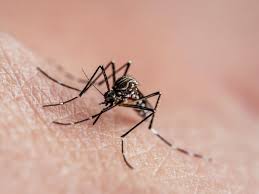
 As temperatures rise, many homeowners are surprised by how quickly mosquitoes seem to appear. The reason? Winter mosquito eggs.
If you’re asking about winter mosquito eggs — what’s hatching this spring? — the answer lies in how resilient these pests really are.
Mosquito season doesn’t start from scratch each year. In many cases, it starts with eggs that survived the winter.
How Do Mosquito Eggs Survive the Winter?
Certain mosquito species lay eggs in late summer and fall that are specially designed to withstand freezing temperatures.
According to the Centers for Disease Control and Prevention, some mosquito eggs can survive months in dry or frozen conditions and hatch when exposed to water and warmer temperatures.
These eggs are often laid:
-
In soil near standing water
-
In clogged gutters
-
In birdbaths
-
In flower pots and containers
-
Along pond edges
When spring rain arrives, those dormant eggs can hatch within days.
What Triggers Winter Mosquito Eggs to Hatch?
Three main factors activate dormant mosquito eggs:
1. Warmer Temperatures
Consistent temperatures above 50°F signal the start of mosquito activity.
2. Rainfall or Standing Water
Water exposure is essential. Eggs laid in dry areas hatch once flooded.
The United States Environmental Protection Agency explains that mosquitoes require water to complete their life cycle, which includes egg, larva, pupa, and adult stages.
3. Increased Daylight
Longer days help accelerate development cycles.
How Fast Do They Develop?
Once eggs hatch:
-
Larvae can mature in 4–10 days
-
Adults emerge shortly after
-
The full life cycle may complete in as little as 8–14 days in warm conditions
This is why mosquito populations seem to “explode” in early spring.
Which Mosquito Species Overwinter as Eggs?
Some species overwinter as adult females, but others survive specifically as eggs.
A well-known example is the Aedes aegypti, which lays drought-resistant eggs that hatch when water becomes available.
These species are often aggressive daytime biters and can reproduce quickly once conditions improve.
Why Early Spring Mosquito Control Matters
If winter mosquito eggs are already in your yard, waiting until summer may allow multiple generations to develop.
Starting treatments early helps:
-
Disrupt the first hatch
-
Reduce breeding cycles
-
Lower total seasonal mosquito populations
Where to Check for Winter Eggs Around Your Home
Before peak season, inspect:
-
Low areas in your yard
-
Tree holes
-
Old tires or containers
-
Clogged gutters
-
Tarps and outdoor furniture covers
Removing standing water is one of the most effective prevention steps. For additional prevention strategies, visit:
🔗 https://www.epa.gov/mosquitocontrol
Can You Prevent Winter Eggs from Hatching?
Yes — but it requires proactive action:
1. Eliminate Water Sources Early
Even small amounts of water can trigger hatching.
2. Clean Gutters Before Spring Rains
Debris traps moisture and creates ideal conditions.
3. Schedule Early-Season Treatments
Barrier sprays and larvicides can reduce emerging populations.
Final Thoughts
So, regarding winter mosquito eggs — what’s hatching this spring?
Potentially thousands of mosquitoes that survived freezing temperatures and are simply waiting for rain and warmth.
Spring mosquito season often begins long before you notice the first bite. Taking action early can significantly reduce the number of mosquitoes that hatch — and the number that stick around all summer.