

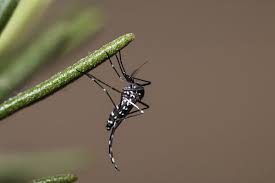
 Even when temperatures drop and snow covers the ground, mosquitoes are far from gone. Understanding mosquito hibernation is key to staying ahead of these pests and preventing early spring infestations. Mosquitoes survive winter in different stages of their lifecycle—either as dormant eggs, larvae, or adult females tucked away in sheltered areas. Knowing how they do it helps homeowners take proactive steps to protect their homes and yards.
1. How Mosquitoes Survive Winter
Mosquito species have evolved strategies to survive the cold:
-
Egg Dormancy: Certain species, like Aedes albopictus, lay eggs in the fall that can survive freezing temperatures for months. These eggs hatch when water and warmth return in spring.
-
Adult Hibernation: Species such as Culex pipiens overwinter as adult females in sheltered areas like basements, sheds, or hollow trees. They remain inactive but ready to feed once conditions improve.
-
Larval Survival: Some mosquito larvae can survive in semi-frozen water or in protected environments until temperatures rise.
Understanding these survival strategies is essential for targeting mosquitoes even in winter.
2. Why Mosquito Hibernation Matters for Homeowners
Mosquitoes may appear dormant, but their ability to survive the cold means spring populations can explode quickly if preventive measures aren’t taken. By understanding mosquito hibernation, homeowners can:
-
Reduce early-season mosquito populations before they become a nuisance
-
Target hidden breeding sites like gutters, drains, and plant trays
-
Plan professional treatments during the off-season for maximum effectiveness
The CDC Mosquito Prevention Guidelines provide detailed insights into mosquito biology and control strategies.
3. Winter Prevention Tips Based on Mosquito Behavior
Knowing that mosquitoes can hibernate allows homeowners to implement targeted winter prevention strategies:
-
Inspect and Drain Water: Eliminate standing water in buckets, planters, or gutters. Even tiny amounts can harbor eggs.
-
Seal Entry Points: Check window screens, doors, and vents to prevent overwintering adults from entering your home.
-
Clean Yard Debris: Remove damp leaves, brush piles, and clutter where mosquitoes can shelter.
-
Professional Winter Treatments: Pest control services can apply larvicides or residual sprays to target dormant populations before spring.
(Internal link suggestion:) For more detailed tips, see Winter Inspections: Preparing for a Mosquito-Free Spring.
4. The Science Behind Treatment Timing
Applying mosquito control treatments during winter may seem counterintuitive, but it’s highly effective. Treating dormant eggs or adult mosquitoes in their hibernation spots reduces spring populations and minimizes the need for repeated summer interventions.
Professionals consider:
-
Temperature and environmental conditions for optimal product efficacy
-
Identifying hidden breeding sites based on mosquito hibernation habits
-
Using environmentally safe methods to protect pets, plants, and pollinators
Learn about environmentally responsible treatments from the EPA’s Mosquito Control Guide.
Conclusion
Understanding mosquito hibernation is more than a fascinating biological fact—it’s a practical tool for homeowners. By addressing the places and ways mosquitoes survive winter, you can prevent early spring infestations, protect your family, and enjoy a mosquito-free yard year-round.