
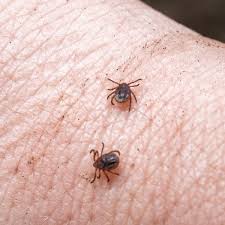
 If you live in Southern Maryland, ticks are more than just a seasonal nuisance. With wooded properties, wildlife activity, and humid summers, Huntingtown provides ideal conditions for multiple tick species.
Understanding the common ticks found in Huntingtown yards can help you reduce risk and protect your family, pets, and property.
Why Ticks Are So Common in Huntingtown, MD
Huntingtown is located in Calvert County, an area known for wooded neighborhoods, large residential lots, and proximity to natural waterways like the Patuxent River.
Ticks thrive in:
-
Leaf litter
-
Tall grass
-
Wooded edges
-
Brush and shrubs
-
Areas with deer and small mammals
The humid Mid-Atlantic climate makes the region especially favorable for tick survival and reproduction.
1. Blacklegged Tick (Deer Tick)
The blacklegged tick is one of the most concerning species in Maryland.
Often called the deer tick, this species is known for transmitting Lyme disease, the most commonly reported tick-borne illness in the United States.
According to the Centers for Disease Control and Prevention, blacklegged ticks are widely established throughout Maryland.
CDC Lyme Disease Overview
https://www.cdc.gov/lyme/
Identification:
-
Small size (about the size of a sesame seed as nymphs)
-
Dark brown to black body
-
Females have a reddish-orange area behind the head
Active Season in Huntingtown:
-
Spring through early summer (nymph stage)
-
Fall (adult stage)
2. Lone Star Tick
The lone star tick is increasingly common in Southern Maryland.
Named for the white dot on the female’s back, this aggressive species is known to bite humans frequently.
It can transmit illnesses including ehrlichiosis and has been associated with Alpha-gal syndrome (a red meat allergy).
The Maryland Department of Health monitors tick-borne disease trends statewide.
Maryland Department of Health Vector-Borne Diseases
https://health.maryland.gov/
Identification:
-
Females have a single white spot
-
Reddish-brown body
-
Larger than deer ticks
Active Season:
-
Late spring through summer
3. American Dog Tick
The American dog tick is also commonly found in Huntingtown yards, particularly in grassy and open areas.
This species can transmit Rocky Mountain spotted fever, a potentially serious illness if untreated.
Identification:
-
Brown body with grayish markings
-
Larger than deer ticks
-
Often found on dogs
Active Season:
-
Spring and early summer
Why Huntingtown Properties Are High Risk
Homes in Huntingtown often have:
-
Large wooded backyards
-
Deer traffic
-
Outdoor pets
-
Proximity to undeveloped land
Ticks commonly migrate from wooded edges into lawns. Even well-maintained properties can experience tick activity if bordering forested areas.
Where Ticks Hide in Your Yard
Ticks do not typically live in the center of sunny lawns. Instead, they concentrate in:
-
Fence lines
-
Wood piles
-
Under shrubs
-
Along tree lines
-
Shaded mulch beds
Regular yard maintenance reduces habitat — but may not eliminate ticks completely.
How to Protect Your Huntingtown Yard
To reduce tick populations:
-
Keep grass trimmed short
-
Remove leaf litter regularly
-
Trim back overgrown shrubs
-
Install mulch or gravel barriers between woods and lawn
-
Schedule recurring professional treatments
Most Huntingtown properties benefit from treatments every 3–5 weeks during peak season.
Final Thoughts on Common Ticks Found in Huntingtown Yards
Huntingtown’s wooded environment makes tick prevention especially important. The most common ticks found in Huntingtown yards include:
-
Blacklegged (deer) ticks
-
Lone star ticks
-
American dog ticks
Each carries potential health risks, making early prevention and consistent yard management essential.
By understanding which tick species are present in Southern Maryland, you can take proactive steps to protect your home, pets, and family all season long. Contact us today!