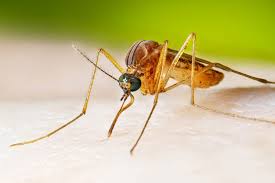
 If you live in Calvert County, Maryland — especially near Huntingtown, Prince Frederick, or along the Chesapeake Bay — you already know mosquitoes are a seasonal reality. But not all mosquitoes are the same.
Understanding the common mosquito species in Calvert County can help homeowners better protect their families and properties.
Here’s what you need to know about the most common species in Southern Maryland.
1. Asian Tiger Mosquito (Aedes albopictus)
What It Looks Like:
-
Black body with distinct white stripes
-
White stripe down the center of its head
-
Small but aggressive
Why It’s a Problem:
The Asian tiger mosquito is one of the most aggressive daytime biters in Maryland. Unlike many species that are most active at dusk, this mosquito actively bites during the day.
Where It Breeds:
-
Flower pots
-
Bird baths
-
Gutters
-
Buckets and containers
-
Any small area of standing water
This species thrives in residential neighborhoods and is very common in suburban areas of Calvert County.
According to the Centers for Disease Control and Prevention (CDC), Aedes albopictus is capable of transmitting several viruses
2. Northern House Mosquito (Culex pipiens)
What It Looks Like:
-
Brown body
-
Slightly larger than Asian tiger mosquitoes
-
Most active at dusk and night
Why It’s a Concern:
This species is a known carrier of West Nile virus, which has been detected in Maryland in past seasons.
Where It Breeds:
-
Storm drains
-
Ditches
-
Stagnant pools
-
Untreated ponds
Culex mosquitoes are particularly common after heavy rain and during peak summer months.
The Maryland Department of Health monitors mosquito-borne disease activity statewide https://health.maryland.gov/phpa/OIDEOR/CZVBD/Pages/mosquito-borne.aspx.
3. Saltmarsh Mosquito (Aedes sollicitans)
What It Looks Like:
-
Medium-sized
-
Brown with light banding
Why It’s Common in Calvert County:
Because Calvert County borders the Chesapeake Bay and contains marshy areas, saltmarsh mosquitoes are especially prevalent in waterfront and low-lying communities.
These mosquitoes can travel long distances from breeding sites and often emerge in large numbers after coastal flooding or heavy rain.
Homes near marshland or tidal areas are particularly vulnerable.
4. Eastern Tree Hole Mosquito (Aedes triseriatus)
Where It Breeds:
-
Tree holes filled with rainwater
-
Wooded areas
-
Natural containers
Given that many Calvert County properties are heavily wooded, this species can be common in shaded yards.
This mosquito prefers forested environments, making rural and semi-rural homes especially attractive breeding grounds.
Why Species Identification Matters
Different mosquito species:
-
Bite at different times of day
-
Breed in different environments
-
Carry different disease risks
-
Require different treatment strategies
That’s why professional mosquito control targets both adult mosquitoes and breeding sites specific to our region.
When Are These Mosquitoes Most Active in Calvert County?
In Southern Maryland, mosquito season typically runs from:
-
Late March or early April
-
Through October
Peak activity usually occurs in:
-
June
-
July
-
August
Warm temperatures, humidity, and summer storms create ideal breeding conditions.
Protecting Your Calvert County Property
Because our area includes:
-
Wooded neighborhoods
-
Waterfront homes
-
Rural properties
-
High humidity
Mosquito populations can build quickly without preventative treatment.
The best approach includes:
-
Eliminating standing water
-
Managing vegetation
-
Regular professional mosquito applications
-
Early-season prevention
Understanding the common mosquito species in Calvert County helps homeowners take proactive steps before populations spike.
If you’re noticing increased mosquito activity around your home, scheduling a professional inspection early in the season can make a significant difference.