
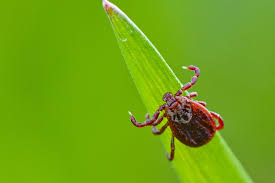
 If mosquitoes aren’t the only pests making you nervous outdoors, you’re not alone. Many homeowners also worry about ticks—and the diseases they carry. A common question we hear is: can mosquito control help with ticks too?
The short answer is: yes, in many cases it can—but with some important details to understand. Here’s what homeowners should know about mosquito treatments, tick control, and how professional services often address both.
Why Mosquitoes and Ticks Are Often Found Together
Mosquitoes and ticks thrive in similar environments. Both pests prefer:
-
Shaded areas
-
Moist conditions
-
Tall grass and dense landscaping
-
Wooded edges and brush
If your yard supports mosquitoes, there’s a good chance it also provides a habitat for ticks.
According to the Centers for Disease Control and Prevention (CDC), ticks commonly live in grassy, brushy, or wooded areas—especially near yards and outdoor living spaces (external link).
How Mosquito Control Treatments Can Affect Ticks
Many professional mosquito control programs use treatments that target multiple biting pests, not just mosquitoes. These treatments are often applied to:
-
Shrubs and bushes
-
Tall grass
-
Mulched areas
-
Wood lines and shaded zones
Because ticks rest and travel through these same areas, mosquito treatments can significantly reduce tick activity as well.
👉 Learn more about what’s included in our Mosquito Control Services
Mosquito Control vs. Tick-Specific Treatments
While mosquito control can help reduce ticks, it’s important to understand the difference:
-
Mosquito treatments focus on flying insects and breeding disruption
-
Tick control treatments are designed to target crawling pests more directly
For properties with high tick pressure—especially those near wooded or rural areas—a combined mosquito and tick program may offer the best protection.
For a deeper look at treatment schedules, read
How Often Should You Treat for Mosquitoes? (internal link).
Why Tick Control Matters for Your Family and Pets
Ticks aren’t just a nuisance—they can pose serious health risks. The CDC reports that ticks can transmit diseases such as Lyme disease, anaplasmosis, and Rocky Mountain spotted fever.
You can learn more from the CDC’s Tickborne Disease Overview (external link).
Reducing tick populations in your yard lowers the risk of bites for:
-
Children playing outside
-
Pets that spend time in the yard
-
Adults gardening, entertaining, or relaxing outdoors
The Importance of Consistent Treatments
Just like mosquitoes, ticks are active throughout much of the warmer months—and sometimes into fall. Skipping or delaying treatments allows pest populations to rebound quickly.
Consistent treatments:
-
Keep pest populations low
-
Provide better season-long protection
-
Reduce the risk of bites and exposure
If you’re unsure how long to continue treatments, our post
Should You Stop Mosquito Treatments After Summer? explains why fall services are often beneficial (internal link).
Is Mosquito and Tick Control Safe?
Professional mosquito and tick control treatments are applied strategically by trained technicians. When used correctly, these treatments are designed to be safe for families and pets while targeting pests where they live.
The Environmental Protection Agency (EPA) supports integrated pest management approaches that balance effectiveness and safety (external link).
Always work with a licensed provider who follows label directions and best practices.
So, Can Mosquito Control Help With Ticks Too?
Yes—mosquito control can help reduce tick populations, especially when treatments are applied to the areas where both pests live. However, properties with heavy tick activity may benefit from a combined or enhanced treatment plan.
If you’re dealing with both mosquitoes and ticks, professional mosquito control can be a smart first step toward a safer, more comfortable yard.
👉 Want to protect your yard from biting pests?
Visit our Mosquito Control Services page to learn how we can help.