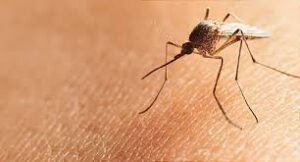
 When summer peaks in July, mosquito activity often seems to explode almost overnight. The reason is simple: July heat accelerates mosquito breeding cycles, allowing mosquitoes to reproduce faster, develop quicker, and expand their populations dramatically in a short period of time.
Understanding this cycle is key to controlling mosquitoes effectively and protecting your home or business during peak mosquito season.
Why Heat Speeds Up Mosquito Development
Mosquitoes are cold-blooded insects, meaning their body temperature and development rate depend heavily on the environment around them. When temperatures rise in July, their life cycle speeds up significantly.
Under warm conditions, mosquitoes progress faster through each stage:
- Egg
- Larva
- Pupa
- Adult mosquito
In cooler weather, this process can take weeks. In peak July heat, it can take as little as 7–10 days for a mosquito to go from egg to biting adult.
This rapid cycle is one of the main reasons mosquito populations feel overwhelming during mid-summer.
Standing Water Becomes a Fast-Track Breeding Site
Heat doesn’t just affect mosquitoes—it also affects water. In July, warm standing water becomes an ideal breeding environment.
Common breeding sources include:
- Clogged gutters
- Bird baths
- Flower pots and trays
- Buckets and outdoor containers
- Low areas in yards after rain
Even small amounts of water can produce hundreds of mosquitoes in just a few days when temperatures are high.
According to the Centers for Disease Control and Prevention (CDC), mosquitoes require standing water to complete their life cycle. Learn more at https://www.cdc.gov/mosquitoes.
Why Mosquito Populations Spike After Rainy July Days
July often brings a combination of heat and summer storms. After rainfall, standing water increases dramatically, giving mosquitoes more places to lay eggs.
When this is followed by hot weather, breeding cycles accelerate even further, leading to sudden population booms that seem to appear “overnight.”
More Heat Means More Biting Activity
Warm temperatures don’t just increase mosquito numbers—they also increase mosquito activity.
In hotter weather, mosquitoes:
- Feed more frequently
- Become more aggressive during dawn and dusk
- Reproduce faster
- Expand into new areas of a property
This is why outdoor activities like grilling, swimming, or evening gatherings often feel worse in July than earlier in the summer.
The Economic and Lifestyle Impact of July Mosquito Surges
When mosquito populations spike, outdoor spaces become harder to enjoy. Homeowners often reduce time spent outside, and businesses with patios or outdoor seating may see decreased customer satisfaction.
This can lead to:
- Lost outdoor enjoyment at home
- Reduced restaurant patio revenue
- Fewer outdoor events or gatherings
- Increased spending on temporary repellents and sprays
How Mosquito Sheriff Can Help
At Mosquito Sheriff, we understand how quickly mosquito populations can grow during peak July heat. Our mosquito control services are designed to interrupt the breeding cycle before it becomes a major infestation.
We help by:
- Targeting mosquito breeding and resting areas
- Reducing mosquito populations around your property
- Treating high-risk zones where standing water collects
- Providing ongoing protection throughout peak mosquito season
- Helping homeowners and businesses reclaim outdoor spaces
By addressing mosquitoes at multiple stages of their lifecycle, Mosquito Sheriff helps prevent the rapid population spikes that July heat often causes.
Stay Ahead of the Summer Surge
When temperatures rise, mosquito breeding cycles accelerate—and waiting too long to act can lead to a full-blown infestation.
With proactive mosquito control and regular treatment, you can stay ahead of the July surge and enjoy your outdoor spaces without constant biting pests.
Contact Mosquito Sheriff today to learn how our mosquito control services can help protect your property during peak summer heat.