

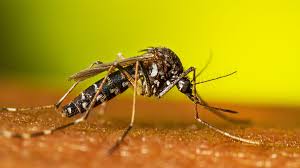
 Not all backyards attract mosquitoes at the same rate. After inspecting hundreds of properties each year, our team has learned that mosquito-prone yards often share a few common characteristics that homeowners may not immediately notice.
While many people assume mosquitoes are only attracted to standing water, our technicians know there are several environmental factors that contribute to mosquito activity. Identifying these conditions early can help reduce mosquito populations and make your outdoor spaces more enjoyable throughout the season.
Standing Water Is Usually the First Thing We Check
One of the first things our technicians look for in mosquito-prone yards is standing water.
According to the CDC, mosquitoes need water to complete their life cycle, and some species can develop from egg to adult in as little as a week under favorable conditions. Learn more about mosquito prevention at https://www.cdc.gov/mosquitoes.
Common sources of standing water include:
- Bird baths
- Clogged gutters
- Plant saucers
- Children’s toys
- Buckets and containers
- Decorative water features
Even small amounts of water can support mosquito breeding.
Dense Vegetation Creates Perfect Hiding Spots
Mosquitoes don’t spend all day flying around looking for people to bite. During the hottest parts of the day, they often rest in cool, shaded areas.
Our technicians frequently find mosquitoes hiding in:
- Overgrown shrubs
- Tall grass
- Dense landscaping
- Ground cover plants
- Wooded property edges
Properties with thick vegetation often provide ideal resting sites that allow mosquito populations to thrive.
Poor Drainage Is a Major Warning Sign
Yards that hold water after rainfall often become mosquito hotspots.
If puddles remain for several days after a storm, they can become breeding sites before homeowners even realize there’s a problem.
When inspecting mosquito-prone yards, technicians pay close attention to:
- Low-lying areas
- Drainage ditches
- Compacted soil
- Areas near downspouts
Addressing drainage issues can significantly reduce mosquito activity.
Shade and Moisture Often Go Hand in Hand
Mosquitoes are highly sensitive to heat and dehydration. That’s why shady areas with consistent moisture tend to attract more mosquito activity.
Common problem areas include:
- Under decks
- Around sheds
- Near fences
- Beneath dense tree canopies
These locations create the cool, humid conditions mosquitoes prefer during the day.
Hidden Breeding Sites Are More Common Than You Think
One of the biggest surprises for homeowners is how often mosquitoes breed in places they rarely inspect.
Over the years, our technicians have discovered mosquito larvae in:
- Decorative yard fixtures
- Folded tarps
- Unused wheelbarrows
- Hollow outdoor furniture
- Drainage systems
These overlooked areas can support mosquito populations without attracting much attention.
Why Some Yards Have More Mosquitoes Than Others
Many mosquito-prone yards aren’t necessarily neglected. In fact, some of the most beautiful landscapes can unintentionally create ideal mosquito habitats.
Features that increase mosquito activity include:
- Heavy landscaping
- Dense shade
- Frequent irrigation
- Nearby wooded areas
- Natural water sources
Understanding how these factors work together can help homeowners make informed decisions about mosquito prevention.
What Homeowners Can Do
Reducing mosquito activity often starts with a few simple property maintenance practices.
Our technicians recommend:
Eliminate Standing Water
Inspect your yard weekly and empty containers that collect water.
Trim Overgrown Vegetation
Reduce mosquito resting areas by maintaining shrubs, grass, and landscaping.
Improve Drainage
Address low spots and areas where water consistently pools after rainfall.
Maintain Water Features
Keep fountains and ponds properly maintained to discourage mosquito breeding.
The EPA recommends integrated mosquito management strategies that combine source reduction with targeted control measures. Learn more at https://www.epa.gov/mosquitocontrol.
When Professional Mosquito Control Makes Sense
Sometimes mosquito activity persists despite a homeowner’s best efforts. That’s where professional mosquito control can help.
Technicians are trained to identify hidden breeding sites, locate mosquito resting areas, and implement targeted treatments designed to reduce mosquito populations around your property.
Regular mosquito control services can provide ongoing protection throughout the season and help address issues that may be difficult to spot during routine yard maintenance.
Final Thoughts
When it comes to mosquito-prone yards, the signs are often there long before mosquito populations become overwhelming. Standing water, dense vegetation, poor drainage, and hidden breeding sites are among the first things our technicians notice during an inspection.
By identifying these conditions early and taking proactive steps to address them, homeowners can reduce mosquito activity and enjoy a more comfortable outdoor environment all season long.