
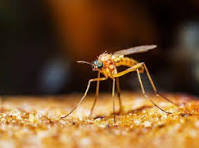
 As summer fades and the crisp air of fall settles over Maryland, many people assume that mosquito season is officially over. But the reality is quite different. Late-season mosquitoes in Maryland can remain active well into October and even early November, especially during mild weather.
If you’ve noticed mosquitoes buzzing around your porch light or biting despite the cooler temperatures, you’re not alone. Understanding these late-season mosquitoes is essential for keeping your family safe and comfortable throughout the fall.
Why Are Mosquitoes Still Active in Fall?
Mosquito activity largely depends on temperature. In Maryland, mosquitoes generally become less active when temperatures drop below 50°F consistently. However, mild fall temperatures can keep these pests buzzing longer than expected.
Moreover, mosquitoes can take advantage of standing water sources created by autumn rains and leaf debris to continue breeding. This means that even in October, you could be sharing your outdoor space with some persistent mosquitoes.
📖 For more on mosquito behavior by season, visit the CDC Mosquito Information Page.
Common Late-Season Mosquito Species in Maryland
Several mosquito species remain active during the fall months in Maryland, including:
-
Culex Mosquitoes: Known carriers of West Nile Virus, these mosquitoes are particularly active in late summer and fall.
-
Aedes Mosquitoes: Some species of Aedes mosquitoes can also be found in the fall, although they are most active in warmer months.
Understanding the species in your area can help you better protect yourself and your family from potential mosquito-borne illnesses.
Risks of Late-Season Mosquito Bites
Late-season mosquito bites are more than just an itch—they can transmit diseases. In Maryland, West Nile Virus is the most common mosquito-borne illness during the fall. While most infections are mild, some can lead to serious neurological complications.
Protecting yourself from mosquito bites during the late season helps reduce your risk of disease and keeps your outdoor time enjoyable.
How to Protect Yourself From Late-Season Mosquitoes in Maryland
Here are some effective strategies to minimize mosquito bites during the fall:
-
Eliminate Standing Water: Regularly check your property for standing water, including clogged gutters, birdbaths, flower pots, and leaf piles.
-
Maintain Your Yard: Rake leaves and remove debris where mosquitoes can hide and breed.
-
Use EPA-Approved Repellents: Apply mosquito repellent when spending time outdoors, especially during dusk and dawn.
-
Schedule Professional Mosquito Control: A fall mosquito treatment can help reduce adult mosquito populations and disrupt their breeding cycle before winter.
👉 Interested in protecting your Maryland home? Schedule your mosquito control service today.
When Does Mosquito Season End in Maryland?
In Maryland, mosquito season typically ends with the first hard frost, which usually occurs between late October and early November. However, mild autumns and urban heat islands can extend the season.
For the most effective protection, continue mosquito prevention measures throughout the fall.
Related Posts You’ll Find Useful:
-
Falling Leaves, Rising Risk: How Leaf Litter Creates Mosquito Havens
-
Last Bite Before Winter: Why You’re Still Getting Mosquito Bites in October
-
Halloween and Mosquitoes: How to Keep Your Outdoor Party Bite-Free
Final Thoughts
Don’t let late-season mosquitoes in Maryland catch you off guard. With proper yard maintenance, personal protection, and professional mosquito control services, you can enjoy a bite-free fall season.
🍂 Ready to take action? Contact us today for expert mosquito control in Anne Arundel County and surrounding Maryland areas.