
Living near the Chesapeake Bay has its perks—beautiful views, fresh air, and easy access to the water. But it also creates ideal conditions for mosquitoes, especially in spring. Following a standing water checklist for mosquito prevention is one of the most effective ways to protect your yard and reduce mosquito breeding before the season ramps up.
If you’re in Anne Arundel County, April is the time to act. Mosquitoes only need a small amount of standing water to breed, and coastal humidity accelerates the process
Why Standing Water Matters
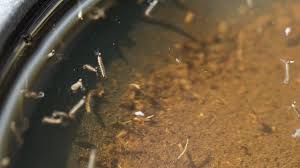
Mosquitoes lay eggs in still water, and those eggs can hatch in as little as a few days under the right conditions. According to the Centers for Disease Control and Prevention, removing standing water is the most effective way to reduce mosquito populations around your home.
Near the Bay, frequent rain, tidal moisture, and shaded landscapes make water buildup even more common.
Your Standing Water Checklist
🏡 Around the Yard
Start with the most common problem areas:
- ☐ Empty buckets, flowerpots, and plant saucers
- ☐ Check tarps covering boats, grills, or firewood
- ☐ Look for low spots in your yard where water collects
- ☐ Remove old tires or debris that trap rainwater
- ☐ Store outdoor items upside down when not in use
🌧️ Gutters and Drainage
Clogged drainage systems are a major mosquito hotspot:
- ☐ Clean out gutters and downspouts
- ☐ Ensure water flows away from your home’s foundation
- ☐ Check French drains or yard drains for blockages
💧 Water Features & Decorative Items
Water features can quickly become breeding grounds if not maintained:
- ☐ Change birdbath water every 2–3 days
- ☐ Add a fountain or aerator to keep water moving
- ☐ Clean and maintain ponds regularly
- ☐ Remove standing water from decorative containers
The Environmental Protection Agency also recommends keeping water in motion to prevent mosquito larvae from developing.
🚤 Bayfront & Waterfront Considerations
Homes near the Chesapeake Bay often have additional risk factors:
- ☐ Check docks and boat lifts for pooled water
- ☐ Inspect kayaks, canoes, and paddleboards
- ☐ Drain water from covers and storage bins
- ☐ Monitor marshy or shaded areas near your property
Even small pockets of water in these areas can produce large numbers of mosquitoes.
🧸 Kids’ Toys & Outdoor Items
These are often overlooked but common culprits:
- ☐ Empty water from toys, wagons, and kiddie pools
- ☐ Store items in covered or dry areas
- ☐ Check for water buildup after rainstorms
How Often Should You Check?
In spring, especially in April:
- After every rainfall
- At least once per week
- More frequently if your yard is shaded or near water
Consistency is key—mosquitoes don’t need much time to multiply.
When Prevention Isn’t Enough
Even with careful maintenance, homes near the Chesapeake Bay can still experience heavy mosquito activity due to surrounding environments.
That’s where professional treatment can help:
- Targets areas you may miss
- Reduces adult mosquito populations
- Provides ongoing protection during peak season
Final Thoughts
If you live in Anne Arundel County, managing standing water is the single most important step you can take to prevent mosquitoes this spring.
Use this checklist regularly, stay proactive after rain, and combine prevention with professional solutions for the best results.
A few minutes of maintenance now can save you from a summer full of bites. Contact us today to schedule your treatment!
Helpful Resources
- Centers for Disease Control and Prevention – Mosquito prevention and standing water tips
- Environmental Protection Agency – Safe pest control and water management guidance