

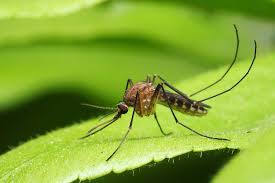
 Spring in Maryland brings warmer weather, greener landscapes—and a surge in mosquito activity. While rain is essential for your lawn and garden, it also creates the perfect conditions for mosquito breeding.
For homeowners in Anne Arundel County, understanding how spring rain leads to mosquito outbreaks can help you take action early and avoid a frustrating summer.
🌧️ Why Rain Creates the Perfect Mosquito Conditions
Mosquitoes rely on water to reproduce. After spring rainstorms, standing water collects in countless places around your yard—many of which go unnoticed.
Female mosquitoes lay their eggs in or near water, and within days:
- Eggs hatch into larvae
- Larvae develop into pupae
- Adult mosquitoes emerge ready to bite
In warm conditions, this entire cycle can happen in as little as 7–10 days.
🦟 Common Post-Rain Breeding Spots
After a typical spring storm in Anne Arundel County, mosquitoes can breed in:
- Clogged gutters filled with rainwater
- Flower pots and plant trays
- Tarps and outdoor furniture covers
- Low spots in your lawn
- Bird baths and fountains
- Children’s toys and equipment
Even something as small as a bottle cap can hold enough water for mosquito eggs.
🌊 The Maryland Advantage (for Mosquitoes)
Maryland’s environment makes mosquito outbreaks more intense than in many other states.
Factors include:
- High humidity levels
- Frequent spring rainstorms
- Proximity to waterways like the Chesapeake Bay
- Marshy and wooded areas
These conditions allow mosquito populations to grow rapidly once spring begins.
⏱️ Why Timing Matters After Rain
One of the biggest mistakes homeowners make is waiting too long to act.
Because mosquitoes develop so quickly:
- Standing water left for just a few days can produce new mosquitoes
- Multiple rainstorms can layer breeding cycles on top of each other
- Populations can spike almost overnight
That’s why post-rain prevention is critical.
✅ What You Should Do After Every Spring Rain
To reduce mosquito outbreaks, take these steps after rainfall:
1. Dump Standing Water Immediately
Walk your yard and empty anything holding water.
2. Check Gutters and Downspouts
Ensure water is flowing properly and not pooling.
3. Fill Low Spots in Your Yard
Use soil to eliminate areas where water collects.
4. Refresh Decorative Water Features
Change water in bird baths and fountains frequently.
🧪 The Role of Professional Mosquito Control
Even with diligent maintenance, it’s difficult to eliminate every breeding site—especially in wetter regions of Maryland.
Professional mosquito control services can:
- Treat standing water with larvicides
- Apply barrier sprays to reduce adult mosquitoes
- Break the mosquito life cycle early in the season
🧬 Health Risks Increase with Mosquito Populations
As mosquito numbers rise, so does the risk of disease transmission.
Mosquitoes can carry illnesses like West Nile Virus, which has been detected in Maryland in past seasons.
For current updates and prevention guidance, visit the Centers for Disease Control and Prevention https://www.cdc.gov/
🚨 Why Spring Rain Leads to Summer Infestations
Spring rain doesn’t just cause short-term mosquito problems—it sets the stage for the entire season.
If early breeding cycles aren’t controlled:
- Mosquito populations multiply rapidly
- Infestations become harder to manage
- Outdoor spaces become uncomfortable
Early intervention is the key to avoiding these issues.
✔️ Final Thoughts
Spring rain is unavoidable—but mosquito outbreaks don’t have to be. By understanding how rain fuels mosquito breeding in Anne Arundel County, you can take proactive steps to protect your home and yard.
Combining regular maintenance with professional treatment is the most effective way to stay ahead of mosquito season.