

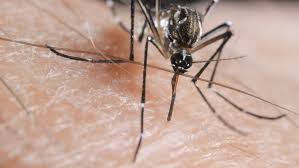
 Mosquitoes are more than just a seasonal nuisance in New Jersey—they can also pose real health risks. While most mosquito bites are harmless, certain species can carry diseases that affect both humans and animals. Understanding these risks is essential for protecting your family and making informed decisions about mosquito prevention.
Common Mosquito-Borne Diseases in New Jersey
Although not every mosquito carries disease, some are known vectors for viruses that can spread through bites. The most notable mosquito-borne diseases in New Jersey include:
West Nile Virus (WNV)
West Nile virus is the most commonly reported mosquito-borne illness in the state. It can cause symptoms ranging from mild fever and fatigue to more serious neurological complications in rare cases.
Eastern Equine Encephalitis (EEE)
Though rare, Eastern Equine Encephalitis is a serious disease that can affect both humans and horses. It is known for its severity, making prevention especially important in high-risk areas.
According to the Centers for Disease Control and Prevention, mosquito-borne illnesses are monitored closely across the country, with seasonal spikes occurring during warmer months.
Learn more about mosquito-related health risks:
https://www.cdc.gov/mosquitoes/index.html
Why New Jersey Is at Risk
Several environmental factors make Middlesex County and surrounding regions ideal for mosquito populations:
- Warm, humid summers
- Abundant rainfall
- Dense suburban neighborhoods
- Proximity to rivers, wetlands, and standing water
Areas near the Raritan River and other waterways often experience higher mosquito activity, increasing the likelihood of exposure.
Who Is Most at Risk?
While anyone can be bitten by a mosquito, certain groups may be more vulnerable to complications from mosquito-borne diseases:
- Older adults
- Young children
- Individuals with weakened immune systems
- People who spend significant time outdoors
Taking proactive steps to reduce exposure is especially important for these groups.
How to Protect Your Home and Family
Preventing mosquito bites is the most effective way to reduce the risk of disease. Here are key steps homeowners can take:
Eliminate Standing Water
Mosquitoes breed in standing water, so removing these sources is critical. Check for:
- Buckets, planters, and birdbaths
- Clogged gutters
- Pool covers and tarps
- Low spots in your yard
Maintain Your Yard
Keeping grass trimmed and reducing dense vegetation helps limit mosquito resting areas.
Use Professional Mosquito Control
Regular treatments can significantly reduce mosquito populations around your home, providing consistent protection throughout the season.
For additional guidance on running a safe and healthy home environment, visit:
https://www.sba.gov/business-guide/manage-your-business/run-your-business
The Importance of Ongoing Prevention
Mosquito control isn’t a one-time fix. Because mosquito populations can rebound quickly, ongoing prevention is essential—especially during peak season.
Recurring treatments and consistent yard maintenance can make a significant difference in reducing both nuisance mosquitoes and potential health risks.
Final Thoughts
Mosquito-borne diseases in New Jersey are a real concern, but they are also largely preventable. By understanding the risks, eliminating breeding areas, and investing in proactive mosquito control, homeowners can protect their families and enjoy their outdoor spaces with greater peace of mind.
Staying informed and taking action early in the season are the best ways to stay ahead of mosquito-related health threats.