

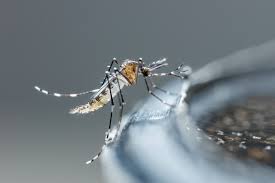
 If you’ve noticed a spike in bites lately, it may not be random. Understanding how construction and drainage issues increase mosquito activity can explain why some properties in Middlesex County deal with more mosquitoes than others—especially in spring and early summer.
New development, roadwork, and poor yard drainage can all create hidden water sources where mosquitoes thrive.
Why Mosquitoes Love Construction Zones
Construction sites often create the perfect storm for mosquito breeding:
- Uneven ground that collects rainwater
- Excavation pits that hold standing water for days
- Discarded materials like tarps, containers, and plastic sheeting
- Interrupted drainage systems that prevent proper water flow
Even small amounts of trapped water can produce hundreds of mosquitoes in a short time.
According to the Centers for Disease Control and Prevention, mosquitoes can lay eggs in as little as a bottle cap of water.
Common Drainage Problems That Attract Mosquitoes
1. Poor Yard Grading
If your yard doesn’t slope correctly, water will pool after every rainfall—creating ideal breeding grounds.
2. Clogged or Broken Gutters
When gutters don’t drain properly, they trap water and organic debris, making them a prime mosquito habitat.
3. Blocked Storm Drains
Neighborhood drainage systems—especially near urban areas like New Brunswick—can become clogged, causing water to stagnate.
4. Compacted Soil
Heavy construction equipment compresses soil, reducing absorption and increasing surface water buildup.
5. Low-Lying or Flood-Prone Areas
Properties near waterways like the Raritan River are especially vulnerable to persistent moisture and standing water.
The Environmental Protection Agency recommends improving drainage and eliminating standing water as key steps in mosquito prevention.
How Quickly Mosquitoes Multiply
Mosquitoes develop fast:
- Eggs hatch in 24–48 hours
- Larvae mature in as little as 5–7 days
- Adults begin biting shortly after
That means a drainage issue this week can turn into a full-blown mosquito problem by next weekend.
Signs Construction or Drainage Is Causing Your Mosquito Problem
Watch for these warning signs:
- Increased mosquito activity after rain
- Standing water that lingers more than 2–3 days
- Nearby construction projects or land disturbance
- Wet or muddy areas that never fully dry
If you notice these patterns, the issue is likely environmental—not just seasonal.
How to Reduce Mosquito Activity
Fix Drainage Issues
- Regrade your yard to improve water flow
- Clean and repair gutters regularly
- Install or maintain proper drainage systems
Eliminate Standing Water
- Remove containers and debris
- Check tarps, covers, and outdoor equipment
- Monitor low spots after rainfall
👉 Read more: standing water checklist for mosquito prevention (internal link)
Use Professional Mosquito Control
When environmental factors are at play, DIY solutions often aren’t enough.
Professional treatments:
- Target mosquito resting and breeding areas
- Reduce populations quickly
- Provide ongoing protection during peak season
Why This Problem Is Common in New Jersey
In areas like Middlesex County, rapid development combined with seasonal rainfall creates ideal conditions for mosquito growth.
Add in humidity and nearby waterways, and mosquito pressure can increase significantly—especially in late spring and summer.
Final Thoughts
Understanding how construction and drainage issues increase mosquito activity helps you address the root cause—not just the symptoms.
By improving drainage, eliminating standing water, and using targeted treatments, you can take control of your yard and reduce mosquito problems before they escalate.
Contact us today to schedule your treatment!
Helpful Resources
- Centers for Disease Control and Prevention – Mosquito breeding and prevention guidance
- Environmental Protection Agency – Water management and pest control recommendations