

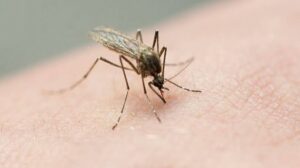
 As summer comes to an end, many homeowners assume mosquitoes are going away with it. But that isn’t always the case. Mosquito activity can continue well into the fall, especially when temperatures remain mild and rainfall creates new sources of standing water.
So, when can you expect mosquitoes to disappear for the season? The answer depends on temperature, weather conditions, mosquito species, and the conditions around your property.
When Does Mosquito Season End?
There isn’t a specific date when mosquito season ends.
Mosquitoes are cold-blooded insects, so their activity is strongly influenced by temperature. As temperatures consistently drop, mosquitoes become less active. However, warm fall days can allow them to remain active longer than many homeowners expect.
According to the CDC’s mosquito information, mosquito activity generally decreases as temperatures become colder.
For Maryland homeowners, mosquitoes can remain active into the fall. Mild temperatures and rainfall can create conditions that allow mosquitoes to remain around your property even after summer has ended.
What Temperature Makes Mosquitoes Go Away?
There isn’t one temperature that causes every mosquito to disappear.
As temperatures fall, mosquitoes become slower and less active. Prolonged cold weather eventually makes it difficult for adult mosquitoes to survive and reproduce.
However, different mosquito species have different levels of cold tolerance. Some mosquitoes can also find sheltered areas where they’re protected from the elements.
The CDC explains that some mosquitoes seek warmer, protected locations as temperatures drop.
This means a few cool nights don’t necessarily signal the end of mosquito activity.
Why Are Mosquitoes Still Around in the Fall?
Several factors can contribute to mosquitoes sticking around after summer.
Warm Fall Days
September and October can bring surprisingly warm temperatures. Even if mornings and evenings feel chilly, warmer afternoons can allow mosquitoes to remain active.
A stretch of warm weather can also bring mosquitoes back after several cooler days.
Fall Rain
Rain is another important factor.
Water that collects in buckets, flowerpots, clogged gutters, toys, birdbaths, and other containers can create potential mosquito breeding sites.
According to the CDC’s mosquito life-cycle information, certain mosquito species can complete their life cycle quickly when environmental conditions are favorable.
Shaded Areas Around Your Yard
Mosquitoes often rest in cool, shaded areas during the day. Dense vegetation, shrubs, tall grass, and areas underneath decks and porches can provide protection.
Keeping your yard maintained can help reduce some of these favorable areas.
Does the First Frost End Mosquito Season?
The first frost can significantly reduce mosquito activity, but it doesn’t necessarily mean every mosquito is gone.
A hard freeze can kill many exposed adult mosquitoes. However, some species can survive colder conditions in protected locations or in other life stages.
Certain mosquito eggs can survive unfavorable conditions and remain dormant until temperatures and moisture levels become suitable again.
You can learn more about this in our article on whether mosquitoes can survive the first frost.
Should You Still Treat for Mosquitoes in the Fall?
If mosquitoes are still active around your home, there may still be a reason to consider professional treatment.
The EPA recommends an integrated approach to mosquito control, which includes eliminating breeding areas and using appropriate control methods when necessary.
Start by addressing conditions around your property that can support mosquitoes. Remove standing water, maintain your landscaping, and check areas where mosquitoes may be resting.
If you’re still dealing with significant mosquito activity, professional treatment can provide an additional layer of control.
How Mosquito Sheriff Can Help
If mosquitoes are keeping you from enjoying your yard, Mosquito Sheriff offers professional mosquito control designed to help reduce mosquito activity around your outdoor living spaces.
Their treatments target areas where mosquitoes commonly rest, including vegetation and landscaping around your property.
Mosquito Sheriff’s treatment approach combines a knockdown effect with a barrier treatment designed to remain on treated vegetation and grass for continued control between treatments.
Fall can be an especially good time to pay attention to what’s happening around your property rather than simply assuming mosquitoes are gone.
Maryland homeowners can also learn more about how often to spray for mosquitoes in Maryland and how local conditions can affect mosquito activity.
5 Ways to Reduce Mosquito Activity in the Fall
Even when temperatures start to drop, there are several things you can do to reduce mosquito-friendly conditions around your property.
1. Remove Standing Water
Walk around your property and empty anything that can collect rainwater.
Pay particular attention to:
-
Buckets
-
Flowerpots
-
Birdbaths
-
Children’s toys
-
Tires
-
Pool covers
-
Tarps
-
Outdoor containers
The EPA recommends eliminating standing water from common items around your property to help reduce potential mosquito breeding areas.
2. Clean Your Gutters
Clogged gutters can hold rainwater and create one of the less obvious sources of standing water around your home.
Cleaning your gutters can help eliminate this potential breeding area.
3. Maintain Your Landscaping
Trim overgrown vegetation and remove excess leaves and yard debris. This can help reduce shaded, protected areas where mosquitoes may rest.
4. Check Your Yard After Rain
Inspect your property after significant rainfall to see whether new areas of standing water have developed.
5. Monitor Mosquito Activity
The calendar isn’t always the best indicator of when mosquitoes are gone.
If you’re still seeing mosquitoes or getting bitten, continue taking precautions and consider whether professional mosquito treatment could help.
Don’t Assume Mosquitoes Are Gone Just Because Summer Is Over
Mosquito activity usually decreases as temperatures become consistently colder, but the end of summer doesn’t automatically mean the end of mosquitoes.
Warm fall temperatures, rainfall, standing water, and sheltered areas can all allow mosquitoes to remain active later in the year.
By removing standing water, maintaining your yard, and monitoring your property, you can help reduce conditions that support mosquitoes.
And if mosquitoes continue to be a problem, Mosquito Sheriff can help with professional mosquito control.
Don’t let the changing seasons determine when you can enjoy your yard. Pay attention to what’s happening around your property and take action when necessary.
Frequently Asked Questions
When does mosquito season end?
Mosquito activity generally declines as temperatures consistently become colder, but there is no universal end date. Weather conditions and mosquito species can affect how long mosquitoes remain active.
Are mosquitoes still active in October?
Yes. In areas with mild fall temperatures, mosquitoes can remain active during October.
Does cold weather kill mosquitoes?
Cold temperatures reduce mosquito activity and can kill exposed adult mosquitoes. However, some species can survive cold conditions in protected areas or through certain stages of their life cycle.
Should I stop mosquito treatments when fall begins?
Not necessarily. If mosquitoes are still active around your property, continued treatment may help reduce their presence. Local weather and mosquito activity should be considered when deciding when treatment is no longer necessary.
How can I prepare my yard for the end of mosquito season?
Remove standing water, clean gutters, maintain vegetation, remove outdoor containers that collect rainwater, and continue monitoring your property for mosquito activity.