 When temperatures drop, most people assume mosquito season is over—and with it, the threat of bites and mosquito-borne illnesses. However, winter doesn’t always mean zero risk. Some mosquitoes can survive the cold, and in certain climates, they stay active all year long.
In this post, we’ll explore how winter mosquitoes persist, whether they can still spread disease, and what you can do to protect yourself even in colder months.
🦟 Do Mosquitoes Really Survive Winter?
In most regions, cold weather kills off adult mosquitoes or sends them into diapause—a dormant state similar to hibernation. But that doesn’t mean they all disappear.
-
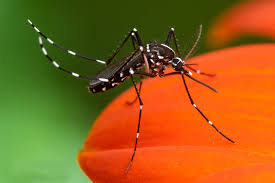
Eggs of some species, like the Aedes albopictus (Asian tiger mosquito), can survive freezing temperatures.
-
Adult females of species such as Culex pipiens (common house mosquito) may overwinter in basements, sheds, and crawl spaces.
-
In warmer or tropical areas, mosquitoes remain active year-round, continuing their breeding cycles uninterrupted.
So while your yard might feel mosquito-free, there’s a good chance they’re just waiting for spring.
🧬 Can Mosquitoes Transmit Diseases in Winter?
Here’s where it gets interesting — disease transmission is still possible, but the risk depends on temperature, region, and mosquito species.
Most mosquito-borne viruses—like West Nile, Zika, and dengue—require warm weather to replicate inside the mosquito’s body. When temperatures drop, that process slows or stops entirely. However:
-
In warm, southern, or coastal regions, mosquitoes can remain active enough to spread disease.
-
Indoor mosquitoes, such as those hiding in heated homes or greenhouses, can bite and potentially transmit pathogens.
-
Some virus-infected females can even pass the virus to their eggs, which hatch when the weather warms up—carrying infection into the next season.
According to the World Health Organization (WHO), mosquito-borne illnesses are expanding into new regions as global temperatures rise, lengthening mosquito seasons and increasing exposure risk.
🌍 Climate Change and the Expanding Mosquito Season
One of the biggest concerns is that milder winters are allowing mosquitoes to stay active longer. Regions that once experienced months of freezing now see shorter, warmer winters—giving mosquitoes more time to reproduce.
The Centers for Disease Control and Prevention (CDC) warns that this shift could lead to earlier spring outbreaks and longer transmission windows for diseases like West Nile virus and Eastern equine encephalitis (EEE).
🏡 How to Stay Protected in the Winter Months
Even if mosquito activity slows, it’s smart to maintain prevention habits year-round:
-
Eliminate standing water from pots, gutters, and buckets to remove egg-laying sites.
-
Seal cracks and entry points where mosquitoes might overwinter indoors.
-
Inspect indoor plants and greenhouses for moisture buildup.
-
Use window screens and traps to deter any lingering insects.
-
Consult professional mosquito control services like Mosquito Authority for off-season treatment options.
These simple steps reduce the chance of early spring infestations and cut disease risk before mosquitoes reemerge.
❄️ Final Thoughts
So, is there still a risk of mosquito-borne disease in winter?
In most cold climates, the risk is low—but not zero. In warmer areas, mosquitoes can remain active and potentially spread disease even in the cooler months.
Staying vigilant with prevention now helps ensure a safer, bite-free spring later by contacting us today!