
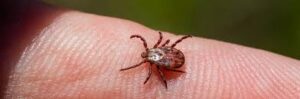
 Even during the coldest months, wildlife doesn’t stop moving—and neither do ticks. While many homeowners assume winter kills off pests, the reality is far different. Wildlife such as deer, mice, squirrels, and even birds stay active all season long, carrying ticks directly into your yard.
This makes winter one of the most important times to stay vigilant about tick prevention. Understanding how wildlife behavior changes in the winter—and how that affects tick exposure—can help you protect your home before spring arrives.
1. Wildlife Remain Active All Winter Long
Animals don’t hibernate as much as people assume. In most regions, common tick-carrying wildlife remain active and frequently move closer to residential areas in search of:
-
Food
-
Warmth
-
Shelter
-
Safe bedding areas
This winter shift increases the odds that ticks are dropped into your yard or near your home.
2. Wildlife Seek Food Sources Near Homes
When natural food sources become scarce in winter, animals follow easy food opportunities around neighborhoods, such as:
-
Bird feeders
-
Fallen fruit
-
Trash cans
-
Firewood piles
-
Compost bins
-
Outdoor pet food
Where wildlife goes, ticks go. Every deer or mouse that passes through your yard can drop adult ticks, nymphs, or larvae.
3. Deer Are Major Tick Movers—Even in Winter
Deer remain active throughout the winter season. They migrate toward:
-
Residential shrubs
-
Winter gardens
-
Sheltered areas with trees
-
Salt runoff on roads and driveways
Blacklegged ticks (deer ticks) feed on deer year-round. When deer walk through your yard, they can leave ticks behind—even in freezing temperatures.
4. Mice and Small Rodents Shelter Near Homes
Rodents are the #1 winter tick host, especially for young ticks like larvae and nymphs. In winter, they often hide in:
-
Sheds
-
Garages
-
Woodpiles
-
Basements
-
Crawlspaces
-
Stone walls
These sheltered environments stay warm enough for ticks to survive. As rodents move in and out, they carry ticks closer to your entry points and yard.
5. Birds Help Spread Ticks Closer Than You Think
Even small birds can carry ticks, and winter bird activity often increases due to feeders. Species such as sparrows, finches, and robins may pick up ticks during migration or foraging, then drop them into your landscaping.
If you feed wildlife or attract winter birds, this can unintentionally increase tick activity close to your home.
6. Ticks Can Remain Active During Winter Warm Spells
Ticks become active whenever temperatures rise above 40°F (4°C)—a common occurrence during modern winters.
So when wildlife comes through your yard on a mild winter day:
-
Ticks can detach
-
Begin seeking new hosts
-
Move into leaf litter and brush near your home
This makes winter tick exposure much more common than most homeowners realize.
7. Shrinking Winter Habitat Pushes Wildlife Into Suburban Areas
As natural vegetation dies back, wildlife loses:
-
Ground cover
-
Food sources
-
Safe hiding spots
This forces animals to expand their search for resources—often into neighborhoods. Residential landscaping, even in winter, provides warmth, shelter, and protection from predators.
The closer animals come to your home, the more likely it is they’ll introduce ticks into your yard.
8. How to Reduce Winter Wildlife-Driven Tick Movement
You can significantly lower the risk of winter tick exposure by taking a few proactive steps:
Reduce Wildlife Attractants
-
Remove bird feeders or place them far from your home
-
Clean up fallen fruit
-
Secure trash cans
-
Avoid leaving pet food outdoors
Maintain Your Yard
-
Clear leaf litter
-
Trim back brush
-
Clean up woodpiles and store them off the ground
-
Seal small openings where rodents may enter
Use Year-Round Tick Treatments
Winter treatments eliminate overwintering ticks and create a barrier before early spring emergence.
Learn more and contact us today!
-
CDC – Tick Information
https://www.cdc.gov/ticks -
EPA – Controlling Ticks in Your Yard
https://www.epa.gov/insect-repellents/controlling-ticks-your-yard -
American Veterinary Medical Association – Protecting Pets From Ticks
https://www.avma.org/resources/pet-owners/petcare/tick-borne-disease