

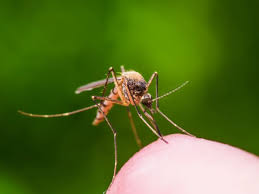
 Temperature Matters — Mosquitoes Are Cold-Blooded
Because mosquitoes are cold-blooded, their body functions closely follow ambient temperature. When the mercury climbs back above roughly 50 °F (10 °C), mosquitoes may regain enough mobility to fly, feed, and reproduce.
In mild winter periods — or unseasonable thaws — mosquitoes sheltered indoors or underground might be “woken up,” leading to unexpected bites or sightings even in winter months. Army+2Biology Insights+2
Dormancy Isn’t Always Permanent — Some Use Quiescence or Diapause
Some mosquitoes enter a state of quiescence (temporary inactivity dependent on environment) or diapause (a more programmed dormancy) to survive cold seasons. When warm spells hit, quiescent mosquitoes can “wake up,” meaning earlier-than-expected emergence is possible. ScienceDirect+2Biology Insights+2
Indoor & Sheltered Overwintering Sites Create Microclimates
Mosquitoes often seek refuge in sheltered, insulated spots — basements, garages, crawlspaces, hollow logs, or even storm drains. Army+2biocommunication.org+2 In these protected microclimates, even a modest warm spell can provide enough heat for them to become active. Biology Insights+2Biology Insights+2
Why You Might Notice Mosquitoes on Mild Winter Days
-
Unexpected bites or buzzing — A sudden warm day (above ~50 °F) can coax dormant mosquitoes out of hiding, leading to surprise encounters.
-
Early-season population boost — Warm spells give mosquitoes a head start: eggs may hatch, larvae may resume development, and adults may begin biting — setting up a stronger population before typical spring.
-
Extended risk period — Instead of a clean “off-season,” a few warm spells means mosquitoes might pose a risk beyond traditional mosquito season — especially in regions with mild winters or during climate shifts.
What Homeowners Should Do — Even in Winter Warm Spells
-
Maintain vigilance year-round. Don’t assume winter is safe. If you notice warm spells, check for mosquito activity.
-
Eliminate standing water & breeding spots — even inside sheltered areas. Drains, gutters, basements, plant saucers or containers might harbor eggs or overwintering insects.
-
Seal shelters. Make sure garages, basements, sheds and crawl spaces are closed off — mosquitoes often sneak in to overwinter.
-
Plan for early-season preventive treatments. If you rely on professional mosquito control, consider scheduling early inspections — warm spells can jumpstart populations before spring.
• Explore our winter-ready mosquito prevention services: Contact us today!
Bottom Line
Winter doesn’t always guarantee a break from mosquitoes. When a winter warm spell triggers mosquito activity, dormant mosquitoes can reawaken, bite, and start reproduction — catching many homeowners off guard. Understanding how temperature, shelter, and mosquito biology combine helps you stay ahead. Stay alert, remove breeding spots, and treat “out-of-season” mosquito activity with the same seriousness as in summer.