

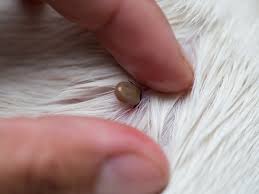
 Many pet owners assume that ticks disappear when the weather turns cold. While tick activity slows in winter, certain species, such as winter ticks and deer ticks, remain active during mild days and can attach to your pets. Recognizing signs of winter tick infestations on pets is crucial for keeping your dogs and cats healthy and preventing serious illnesses.
1. Excessive Scratching and Grooming
One of the first signs that your pet may have winter ticks is frequent scratching, biting, or grooming. Ticks attach to the skin, causing irritation and discomfort. Pets may focus on certain areas like:
-
Ears
-
Neck
-
Between toes
-
Under the tail
-
Around the head and collar area
Persistent scratching may lead to secondary skin infections if left untreated.
2. Visible Ticks on Your Pet
The most obvious sign of infestation is seeing ticks on your pet’s fur or skin. Winter ticks can attach anywhere, but they often congregate along:
-
The back
-
The neck
-
Shoulders
-
Around the ears
Ticks vary in size depending on life stage. Adults are easier to spot, while larvae and nymphs may require a closer look.
3. Redness, Swelling, or Irritated Skin
Ticks inject saliva into the skin while feeding, which can cause red, inflamed, or irritated areas. If you notice small bumps or scabs on your pet’s skin, inspect closely for ticks. Some pets also develop hair loss in affected areas due to excessive scratching.
4. Lethargy or Behavioral Changes
A tick infestation can lead to discomfort, loss of appetite, or lethargy. Pets may become less playful, reluctant to go outside, or appear generally unwell. Severe infestations can lead to anemia, especially in smaller or younger animals.
5. Unexplained Health Issues
Ticks are carriers of diseases such as Lyme disease, anaplasmosis, and ehrlichiosis. Signs of tick-borne illness can include:
-
Fever
-
Joint pain or stiffness
-
Lameness
-
Swollen lymph nodes
-
Vomiting
If your pet exhibits any of these symptoms in winter, check for ticks and contact a veterinarian immediately.
6. Seasonal Patterns and Outdoor Exposure
Even during winter, pets are exposed to ticks if they:
-
Spend time in wooded areas or tall grass
-
Visit yards with wildlife activity
-
Have free access to leaf piles, brush, or firewood
Understanding these patterns helps identify when your pets are most at risk.
How to Protect Pets From Winter Ticks
-
Use veterinarian-recommended tick prevention year-round
-
Inspect pets regularly, especially after outdoor activity
-
Keep yards tidy: remove leaf litter, trim brush, and reduce wildlife attractants
-
Consider professional tick treatments for your property to reduce infestations
Year-round vigilance is key—ticks don’t completely disappear just because it’s winter.
Contact us today!
-
CDC – Ticks and Pets
https://www.cdc.gov/ticks -
American Veterinary Medical Association – Tick Prevention for Pets
https://www.avma.org/resources/pet-owners/petcare/tick-borne-disease -
EPA – Controlling Ticks in Your Yard
https://www.epa.gov/insect-repellents/controlling-ticks-your-yard