 While it may seem that mosquitoes vanish during cold months, understanding winter mosquito populations reveals a more complex picture. Many mosquitoes survive winter in dormant states, eggs, or sheltered adult forms, and their ability to endure the cold directly affects spring infestations. By learning how winter weather impacts mosquito behavior, homeowners can take proactive steps to reduce populations and protect their property.
1. Mosquito Survival Strategies in Winter
Mosquitoes have evolved to survive the harshest conditions. Depending on the species, they may:
-
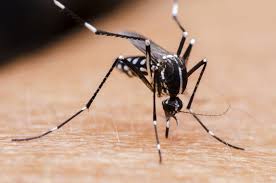
Hatch-resistant eggs: Aedes albopictus lays eggs in fall that remain viable through freezing temperatures, hatching only when spring conditions return.
-
Hibernating adults: Species like Culex pipiens overwinter as adult females in basements, crawl spaces, sheds, or hollow trees.
-
Protected larvae: Some larvae survive in semi-frozen water or other insulated environments until warmer weather arrives.
Understanding these survival strategies is essential for effective mosquito control.
2. How Temperature and Snow Affect Mosquitoes
Winter temperatures, snow, and ice influence mosquito survival:
-
Extreme cold: Prolonged freezing temperatures can reduce mosquito eggs and adult populations, but many still survive in insulated areas.
-
Snow cover: Snow acts as an insulating blanket, protecting dormant mosquitoes and eggs from extreme temperature fluctuations.
-
Early thaws: Unseasonably warm days in winter can trigger premature mosquito activity, increasing the risk of early-season infestations.
Understanding local weather patterns helps homeowners predict and prepare for mosquito activity in the coming spring.
Check out the CDC Mosquito Prevention Guidelines for tips on protecting your home year-round.
3. Why Winter Mosquito Populations Matter for Spring
Winter mosquito populations set the stage for spring infestations. Dormant eggs and hibernating adults emerge as temperatures rise, leading to rapid population growth. Proactive winter measures can:
-
Reduce early-season mosquito numbers
-
Limit the spread of mosquito-borne diseases
-
Decrease the need for repeated summer treatments
(Internal link suggestion:) Learn about preventive measures in Winter Inspections: Preparing for a Mosquito-Free Spring.
4. Winter Prevention Strategies for Homeowners
To minimize the impact of winter mosquito populations:
-
Eliminate standing water: Check gutters, plant saucers, buckets, and other containers where eggs might survive.
-
Seal entry points: Repair window screens, door frames, and vents to prevent hibernating adults from entering your home.
-
Clear yard debris: Remove leaves, brush piles, and other sheltered spots where mosquitoes can hide.
-
Schedule professional treatments: Winter mosquito treatments target dormant populations, ensuring a safer and more mosquito-free spring.
(Internal link suggestion:) For professional options, see How Professional Mosquito Treatments Work Even in Cold Weather.
5. The Role of Professional Mosquito Control in Winter
Professional mosquito treatments in winter focus on targeting hibernating adults, dormant eggs, and early-breeding hotspots. Benefits include:
-
Long-lasting residual protection on outdoor surfaces
-
Identification of hidden mosquito breeding areas
-
Reduction of early spring infestations
Learn more about environmentally safe mosquito treatments at the EPA Mosquito Control Guide.
Conclusion
Winter weather doesn’t eliminate mosquitoes—it merely slows them down. By understanding how winter mosquito populations survive and implementing preventive measures, homeowners can stay ahead of infestations and enjoy a mosquito-free spring. Winter is the perfect time to inspect, clean, and treat areas that might harbor dormant mosquitoes, ensuring your property is ready when the temperatures rise.