
 Late fall brings cooler temperatures, shorter days, and busy wildlife preparing for winter. But even as the seasons change, mosquitoes remain a concern. Understanding local wildlife and mosquito habits in late fall helps homeowners protect their families, pets, and yards from unexpected pest activity. Because these patterns shift every year, staying informed ensures safer, more comfortable outdoor time.
🍂 Why Mosquitoes Are Still Active in Late Fall
Many people believe mosquitoes disappear at the first sign of cold weather. However, mosquitoes remain active anytime temperatures rise above 50°F. Warm afternoons, sheltered yards, and insulated microclimates allow them to survive and search for blood meals well into November.
Female mosquitoes also enter a state called diapause, a form of hibernation. Yet when temperatures bounce back, they awaken and resume feeding. This leads to surprise late-season mosquito activity across many neighborhoods.
🦌 How Local Wildlife Affects Mosquito Habits in Late Fall
While mosquitoes need warmth to stay active, wildlife plays an important role in their survival. Many animals continue moving through backyards in late fall, offering food sources and hiding spots for mosquitoes.
1. Deer Movement Increases Near Homes
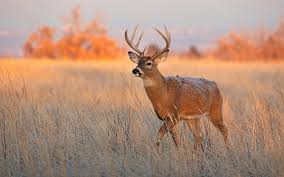
Deer migrate closer to residential areas as food dwindles. Their movement stirs up leaves, moist soil, and shaded areas—perfect mosquito habitats. They also carry ticks, which thrive in cool fall weather.
2. Birds Create Microhabitats
Birds flock together in late fall, often roosting near homes for warmth. Standing birdbath water or backyard feeders can unintentionally attract mosquitoes.
3. Rodents Remain Active
Mice and squirrels forage heavily before winter. Their activity creates burrows and sheltered spots where mosquitoes and other pests can hide from cold weather.
4. Outdoor Pets Draw Wildlife Closer
Pet food bowls, warm patios, and yard activity draw wildlife into the property—bringing pests along with them.
🌧️ How Fall Conditions Boost Mosquito Activity
Late fall weather patterns support mosquitoes more than many realize.
-
Fallen leaves trap water, turning into hidden breeding zones.
-
Clogged gutters hold moisture and attract wildlife.
-
Shaded corners, especially near fences and woods, stay warm enough for mosquitoes to survive.
-
Uncovered trash and compost attract wildlife, which mosquitoes follow.
Even small temperature rebounds can cause brief but intense mosquito bursts.
🌿 Eco-Friendly Ways to Reduce Mosquito Habitats
Yard maintenance matters more in late fall than most homeowners realize.
Practical steps include:
-
Rake leaves regularly
-
Clean gutters before cold weather
-
Remove standing water in pots, toys, and tarps
-
Trim shrubs and low branches
-
Store firewood neatly to reduce wildlife activity
Maintaining your yard disrupts mosquito habitat and reduces wildlife draw.
🛡️ Professional Late Fall Mosquito Control Matters
Even with good maintenance, mosquitoes can persist. Professional treatments eliminate breeding sites and create long-lasting barriers.
At Mosquito Sheriff, our #1 Eco-Friendly Pest Control Solution uses natural, non-toxic ingredients to protect families, pets, and wildlife—without harming the environment. Late-fall services also reduce spring populations by stopping overwintering eggs early.
Learn more about our natural, year-round protection: Mosquito Sheriff – Eco-Friendly Mosquito and Tick Services
🌡️ How Climate Trends Influence Late Fall Mosquito Habits
Warmer fall seasons across many regions extend mosquito activity by several weeks. Because of shifting temperatures, mosquitoes survive longer and stay active well into late fall.
For national climate and mosquito trends, visit the EPA Climate Indicators Page (https://www.epa.gov).
Conclusion
Local wildlife and mosquito habits shift significantly during late fall. Deer movement, bird roosting, and rodent activity all influence mosquito survival. Because mosquitoes remain active anytime temperatures rise, homeowners must stay alert and maintain fall prevention habits. With Mosquito Sheriff, your home stays protected with safe, eco-friendly solutions—season after season.