
 If you live in Washington, D.C., you’ve probably noticed mosquitoes becoming active as early as spring. But not all mosquitoes are the same. Different species behave differently, bite at different times, and pose different risks.
Understanding the most common mosquitoes in DC can help you better protect your home, yard, and family.
1. The Asian Tiger Mosquito (Aedes albopictus)
One of the most aggressive and recognizable mosquitoes in Washington, D.C. is the Asian tiger mosquito.
Key characteristics:
- Black body with white stripes
- Active during the daytime
- Extremely aggressive biters
These mosquitoes thrive in urban environments and breed in small containers like flowerpots, gutters, and even bottle caps.
They are especially problematic in DC neighborhoods with dense housing and limited drainage.
2. The Northern House Mosquito (Culex pipiens)
This is one of the most common mosquito species found throughout the region.
Key characteristics:
- Brownish color
- Most active at dusk and nighttime
- Prefers stagnant, polluted water
Culex pipiens is known for spreading diseases like West Nile virus. It often breeds in:
- Storm drains
- Standing water in gutters
- Untreated pools
For more information on mosquito-borne diseases, visit the CDC:
👉 https://www.cdc.gov/mosquitoes
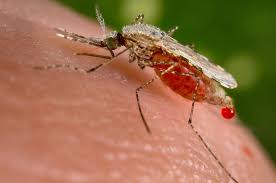
3. The Common Malaria Mosquito (Anopheles quadrimaculatus)
While malaria is not commonly transmitted locally, this species is still present in the DC area.
Key characteristics:
- Rests at an angle (distinct posture)
- Active at night
- Breeds in clean, still water
You’ll often find these mosquitoes near:
- Ponds
- Marshy areas
- Edges of the Potomac River
4. Floodwater Mosquitoes (Aedes vexans)
These mosquitoes become a major issue after heavy rains in Washington, D.C..
Key characteristics:
- Light brown with pale markings
- Strong fliers (can travel long distances)
- Appear in large numbers after storms
They lay eggs in low-lying areas that flood easily, making them especially common during wet spring seasons.
Why Mosquito Diversity Matters
Each mosquito species has different habits, which affects how you control them:
- Some bite during the day, others at night
- Some breed in tiny containers, others in large water sources
- Some travel far, while others stay close to home
That’s why a one-size-fits-all approach to mosquito control often falls short.
How to Prevent Mosquitoes in Washington, DC
No matter the species, prevention starts with eliminating breeding grounds and protecting your yard early in the season.
Key prevention tips:
- Remove standing water weekly
- Clean gutters and drains
- Keep grass and shrubs trimmed
- Use professional mosquito treatments for consistent control
When to Start Mosquito Control in DC
Mosquitoes in Washington, D.C. can become active as early as March, depending on temperatures.
Starting treatments early helps:
- Target mosquitoes before they multiply
- Reduce peak-season infestations
- Keep your yard comfortable all spring and summer
Take Control of Mosquito Season
Knowing which mosquitoes are common in Washington, D.C. is the first step—but taking action early is what really makes the difference.
With the right prevention strategy, you can enjoy your outdoor space without constant bites or frustration. Contact us today!