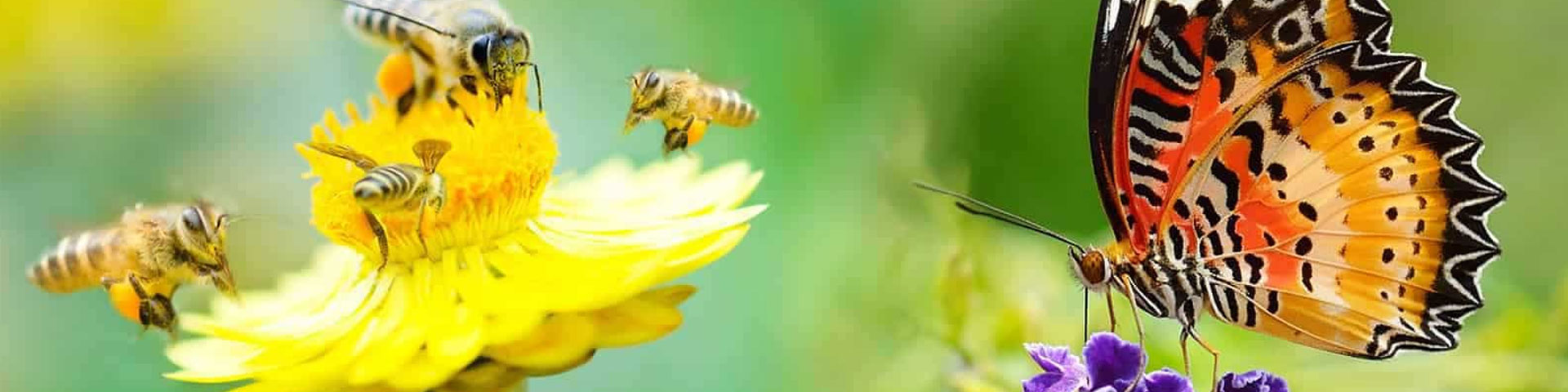
 If you’re considering mosquito control for your yard, you might ask: Are these treatments safe for pollinators like bees and butterflies? That concern makes sense—pollinators play a critical role in the environment, and protecting them should always be a priority.
The good news? Modern mosquito control methods minimize impact on beneficial insects while effectively reducing mosquito populations when professionals apply them correctly.
Why Pollinators Matter
Pollinators such as bees, butterflies, and other beneficial insects support plant reproduction and food production. They pollinate flowers, fruits, and vegetables, making them essential to a healthy ecosystem.
Because of their importance, pest control strategies must protect them whenever possible.
How Professional Mosquito Treatments Work
Professional mosquito control treatments target areas where mosquitoes rest and breed. Technicians apply barrier sprays around:
- Shrubs and dense foliage
- Shaded areas
- Under decks and patios
These treatments:
- Target mosquitoes where they live and hide
- Avoid flowering plants that attract pollinators
- Dry quickly, reducing exposure risks
When technicians apply treatments properly, they significantly reduce risks to pollinators.
Steps Professionals Take to Protect Pollinators
Reputable mosquito control companies follow specific practices to protect beneficial insects:
1. Avoiding Flowering Plants
Technicians avoid spraying directly on flowers where bees and butterflies feed.
2. Timing Applications Carefully
Teams apply treatments early in the morning or later in the evening when pollinators stay less active.
3. Using Targeted Products
Companies choose products that break down quickly, which reduces environmental exposure.
4. Applying Precise Treatments
Technicians focus on high-risk mosquito areas instead of spraying entire properties unnecessarily.
What Homeowners Can Do to Help
You can also take simple steps to protect pollinators while managing mosquitoes:
- Tell your pest control provider where pollinators gather in your yard
- Plant pollinator-friendly gardens away from mosquito-prone areas
- Remove standing water to reduce mosquito breeding
- Choose routine maintenance instead of heavy, one-time treatments
What the Research Says
The Environmental Protection Agency states that people can use pesticides safely when they follow label directions and apply them responsibly. https://www.epa.gov/safepestcontrol
This means application methods—not just the products—play a major role in protecting pollinators.
Eco-Friendly Mosquito Control Options
If you want extra protection for pollinators, ask about eco-conscious solutions such as:
- Larvicide treatments that stop mosquitoes before they mature
- Reduced-risk products
- Integrated pest management (IPM) strategies
These methods focus on prevention and long-term control with minimal environmental impact.
Balancing Mosquito Control and Pollinator Protection
You don’t have to choose between a mosquito-free yard and a pollinator-friendly environment. With the right strategy, you can achieve both.
When you take a thoughtful approach, you can:
- Reduce mosquito populations
- Protect your family from bites
- Support healthy pollinator activity
Work With a Mosquito Control Company You Can Trust
The right provider will prioritize both effectiveness and environmental responsibility.
Contact us today to schedule your service