

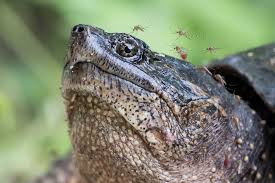
 When it comes to natural pest control, most people think of birds, bats, or dragonflies—but turtles vs. mosquitoes is an unexpected matchup that deserves attention. These aquatic reptiles are more than just fascinating creatures; they are also nature’s mosquito control experts.
By feeding on mosquito larvae and maintaining healthy pond ecosystems, turtles help keep mosquito populations in check while supporting biodiversity.
🦎 Which Turtles Eat Mosquitoes?
Not all turtles are equal in the fight against mosquitoes. The species most effective in controlling mosquito larvae include:
-
Red-Eared Sliders (Trachemys scripta elegans): Common pond turtles that feed on aquatic insects and larvae.
-
Painted Turtles (Chrysemys picta): Opportunistic feeders, consuming mosquito larvae along with other small invertebrates.
-
Snapping Turtles (Chelydra serpentina): Larger turtles that feed on a variety of aquatic prey, including mosquito larvae, though mostly in their juvenile stages.
Juvenile turtles tend to consume more small insects like mosquito larvae than adults, making young turtles valuable allies in maintaining mosquito-free ponds.
For more on pond-dwelling wildlife and mosquito control, see How Supporting Local Wildlife Helps Fight the Bite.
🌊 How Turtles Reduce Mosquito Populations
Turtles contribute to mosquito control in several ways:
-
Larval Predation: Mosquitoes lay eggs in still water. Turtles feed on these eggs and larvae, reducing the number of adult mosquitoes.
-
Ecosystem Balance: By feeding on various aquatic invertebrates, turtles prevent certain species from dominating, indirectly limiting mosquito breeding hotspots.
-
Natural Pest Management: Unlike chemical pesticides, turtles provide a sustainable, eco-friendly method of mosquito reduction.
The Centers for Disease Control and Prevention (CDC) emphasizes that controlling mosquito larvae in water sources is one of the most effective strategies for preventing mosquito-borne diseases.
🏡 Creating Turtle-Friendly Ponds
If you want to harness the power of turtles for natural mosquito control, follow these tips:
-
Provide Clean Water: Ensure your pond has fresh water and avoids stagnant pockets where mosquito larvae thrive.
-
Include Hiding Spots: Logs, rocks, and aquatic plants give turtles safe spaces to feed and rest.
-
Avoid Chemicals: Pesticides and herbicides can harm turtles and reduce their effectiveness at controlling mosquitoes.
-
Encourage Biodiversity: Frogs, dragonflies, and small fish can complement turtles in a natural mosquito-reducing ecosystem.
For a deeper dive into aquatic mosquito predators, see Backyard Wildlife: Friends, Foes, and the Fight Against Mosquitoes.
🧬 The Bigger Picture
Turtles are more than just backyard pond residents—they are critical players in controlling mosquito populations naturally. By supporting turtle habitats, homeowners and conservationists alike can reduce the reliance on chemical pesticides and encourage healthy, balanced ecosystems.
In the ongoing battle of turtles vs. mosquitoes, nature often has the upper hand—if we give it the right environment to thrive.
🌿 Final Thoughts
Turtles provide an eco-friendly, sustainable solution to mosquito control. From feeding on larvae to supporting biodiversity, these reptiles are a natural ally for keeping your backyard and pond healthier. By creating turtle-friendly habitats, you’re not just helping turtles—you’re taking a smart step toward reducing mosquitoes and protecting your family from pests and mosquito-borne diseases and you can also contact us today for a free consult!