

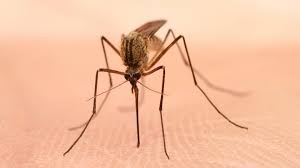
 Managing mosquitoes on a large property isn’t something that can be handled with a one-time treatment or a reactive approach. Apartment complexes, corporate campuses, HOAs, parks, and other expansive properties require thoughtful mosquito control planning to keep outdoor areas safe, comfortable, and usable.
Here’s what property managers and decision-makers need to know about mosquito control planning for large properties—and why starting early makes all the difference.
Why Large Properties Need a Strategic Mosquito Control Plan
Large properties often include features that create ideal mosquito habitats, such as:
-
Retention ponds and drainage systems
-
Extensive landscaping and shaded areas
-
Multiple buildings and shared outdoor spaces
-
High foot traffic and resident or guest use
Without a structured plan, mosquitoes can quickly become a widespread issue across the property.
According to the Centers for Disease Control and Prevention (CDC), mosquitoes can breed in very small amounts of standing water and spread quickly when conditions are favorable.
Step 1: Start Planning Before Mosquito Season
Effective mosquito control for large properties starts well before mosquitoes become active. Planning early allows time for:
-
Property-wide inspections
-
Identification of high-risk areas
-
Coordination with landscaping and maintenance teams
-
Budgeting and scheduling
Step 2: Identify High-Risk Areas Across the Property
Mosquito control planning begins with knowing where mosquitoes are most likely to thrive. Common hotspots on large properties include:
-
Water features and retention ponds
-
Wood lines and perimeter fencing
-
Dense shrubs and mulch beds
-
Dumpster areas and utility zones
Targeting these areas improves effectiveness and avoids unnecessary treatments.
The Environmental Protection Agency (EPA) recommends targeted mosquito management as part of an integrated approach.
Step 3: Schedule Consistent, Recurring Treatments
Mosquito control is not a one-time service. Most large properties benefit from recurring treatments every 21 days throughout mosquito season.
Consistent treatments:
-
Break the mosquito breeding cycle
-
Prevent population spikes after rain
-
Maintain usable outdoor spaces
Step 4: Coordinate With Property Operations
Large properties require mosquito control plans that work around:
-
Business hours
-
Resident or tenant activity
-
Events and outdoor programming
Professional mosquito control providers coordinate treatment schedules to minimize disruption while maintaining protection.
👉 Learn how coordination works on our
Mosquito Control Services page.
Step 5: Focus on Prevention, Not Just Reaction
Waiting until complaints increase often means mosquito populations are already high. Preventive planning helps:
-
Reduce tenant and guest complaints
-
Avoid emergency treatments
-
Maintain consistent outdoor usability
Step 6: Plan for the Entire Season—Including Fall
Mosquito control planning should extend beyond summer. On large properties, mosquitoes can remain active into fall, especially in shaded or damp areas.
Stopping too early can allow mosquitoes to lay overwintering eggs, increasing next year’s problem.
Learn more in
Should Commercial Properties Be Treated for Mosquitoes?
Benefits of Professional Mosquito Control Planning
A well-planned mosquito control program helps large properties:
-
Improve tenant and guest satisfaction
-
Reduce health and liability concerns
-
Protect outdoor amenities and property value
-
Support public health efforts
The CDC highlights mosquitoes as a public health concern, especially in shared outdoor environments.
Planning Is the Key to Effective Mosquito Control
Mosquito control planning for large properties isn’t optional—it’s essential. A proactive, property-wide strategy with consistent treatments and early planning delivers the best results.
👉 Ready to build a mosquito control plan for your property?
Visit our Mosquito Control Services page to learn how we help large properties stay protected all season.