

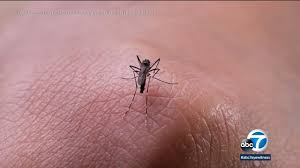
 It’s only February — but temperatures feel more like early spring. If you’re noticing warmer days, you might be wondering:
Will a warm February trigger early mosquito activity?
The short answer: Yes, it can. While mosquitoes typically emerge in spring, unseasonably warm winter weather can speed up their life cycle and lead to earlier activity.
Here’s what homeowners need to know.
How Temperature Affects Mosquito Activity
Mosquitoes are cold-blooded insects, meaning their development depends on environmental temperatures.
Most mosquito species become active when:
-
Temperatures consistently reach 50°F or higher
-
Standing water is available for breeding
-
Humidity begins to rise
If February temperatures remain mild for extended periods, dormant mosquito eggs can hatch earlier than usual.
According to the Centers for Disease Control and Prevention (CDC), mosquito activity increases as temperatures rise, especially when water is present https://www.cdc.gov/mosquitoes/about/index.html.
What Happens to Mosquitoes During Winter?
Many homeowners assume mosquitoes die off completely during winter — but that’s not entirely true.
Depending on the species, mosquitoes survive winter by:
-
Laying dormant eggs that hatch in spring
-
Hibernating as adults in protected areas
-
Overwintering as larvae in standing water
A warm February can disrupt this dormant cycle and trigger early development.
Why Early Warmth Matters
A few warm days won’t necessarily cause a major outbreak. However, prolonged mild conditions combined with rain can:
-
Speed up egg hatching
-
Shorten development time
-
Extend mosquito season
-
Increase total seasonal populations
If early hatching occurs and is followed by consistent warm weather, you may see mosquitoes weeks earlier than normal.
The Environmental Protection Agency (EPA) notes that climate patterns and temperature shifts influence mosquito breeding cycles https://www.epa.gov/climate-indicators/climate-change-indicators-mosquito-season.
Signs Mosquitoes May Be Emerging Early
Watch for these indicators:
-
Increased standing water after late-winter rain
-
Warmer overnight temperatures
-
Mosquito sightings at dusk
-
Early biting activity
If you notice bites in late February or early March, early emergence may already be underway.
How to Prevent Early-Season Mosquito Problems
If you’re concerned about whether a warm February will trigger early mosquito activity, proactive steps can make a big difference.
1. Eliminate Standing Water Now
Check for:
-
Clogged gutters
-
Birdbaths
-
Tarps and covers
-
Plant containers
-
Low spots in your yard
Even small water sources can support breeding.
2. Clean Up Landscaping
Trim back overgrown shrubs and remove debris where mosquitoes may rest once active.
3. Consider Early-Season Treatment
Starting mosquito treatments before peak season can:
-
Interrupt early breeding cycles
-
Reduce spring population growth
-
Provide longer-lasting seasonal control
The Bottom Line
So, will a warm February trigger early mosquito activity?
It absolutely can — especially if warm temperatures are sustained and rainfall creates breeding conditions.
While you can’t control the weather, you can control how prepared your property is.
Early prevention is the key to avoiding a long, frustrating mosquito season.
Don’t wait until you’re swatting in spring — take action now to stay ahead of mosquito season.