

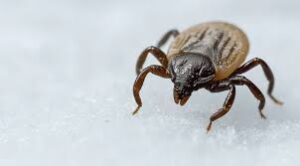
 Ticks are a hidden danger in Middlesex, and one of the biggest contributors to tick populations is wildlife. Animals such as deer, raccoons, and rodents carry ticks into yards, parks, and trails, increasing the risk of tick-borne diseases for humans and pets. Understanding how deer and wildlife increase tick populations in Middlesex is crucial for effective prevention.
How Wildlife Contributes to Tick Populations
Ticks rely on blood meals from mammals, birds, and reptiles to survive and reproduce. In Middlesex:
-
Deer: Adult ticks often feed on deer, which can travel long distances, spreading ticks into residential areas.
-
Rodents: White-footed mice and squirrels are key hosts for nymphal ticks, which are responsible for most human Lyme disease cases.
-
Other Wildlife: Raccoons, opossums, and birds also carry ticks and deposit them near homes, trails, and parks.
By transporting ticks from wooded areas to yards and neighborhoods, wildlife directly contributes to higher tick populations and a greater risk of tick-borne diseases.
Health Risks from Tick Exposure
Ticks in Middlesex can carry multiple diseases, including:
-
Lyme Disease – Causes fever, fatigue, headaches, and bull’s-eye rash
-
Ehrlichiosis – Fever, muscle aches, and fatigue
-
Rocky Mountain Spotted Fever – Fever, rash, and potential complications
-
Alpha-gal Syndrome – Lone star tick bites can trigger red meat allergies
Higher tick populations from wildlife increase the likelihood of exposure for children, adults, and pets.
Areas Most Affected by Wildlife in Middlesex
Homeowners are at higher risk if they live near:
-
Wooded lots and parks – deer and small mammals frequently pass through
-
Trails and greenways – animals migrate and leave ticks along paths
-
Rivers and wetlands – attract diverse wildlife that host ticks
How to Minimize Tick Risk From Deer and Wildlife
1. Yard Management
-
Install fencing to discourage deer from entering yards
-
Keep grass trimmed and remove leaf litter
-
Use mulch or gravel barriers to separate yards from wooded areas
2. Personal Protection
-
Wear long sleeves and pants when walking near wooded areas or trails
-
Apply EPA-approved tick repellents
-
Perform daily tick checks on children and adults
CDC Tick Prevention Tips – https://www.cdc.gov/ticks/avoid/on_people.html
3. Pet Protection
-
Use veterinarian-approved flea and tick preventatives
-
Inspect pets after walks near wooded areas or wildlife paths
4. Professional Tick Control
Professional treatments can help reduce ticks carried by wildlife into yards by:
-
Targeting shaded areas, shrubs, and yard edges
-
Reducing populations of deer ticks, lone star ticks, and dog ticks
-
Providing residual protection for several weeks
Final Thoughts: Wildlife Drives Tick Risk in Middlesex
Deer and wildlife play a significant role in spreading ticks throughout Middlesex. Homeowners can reduce their risk by:
-
Managing yards and landscaping to minimize tick habitats
-
Protecting family and pets with preventive measures
-
Considering professional tick control for year-round protection
Understanding the connection between wildlife and tick populations is key to creating a safe outdoor environment for your family and pets.