

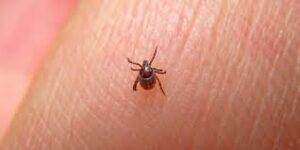
 Mild winters might feel like a welcome break from harsh weather, but they have an unintended consequence: more active ticks in Middlesex. Warmer temperatures during winter allow ticks to survive and multiply, increasing the risk of tick-borne diseases when spring and summer arrive.
How Mild Winters Affect Tick Populations
Ticks are cold-blooded, which means their survival depends heavily on environmental conditions. During harsh winters, many ticks die off or enter dormancy. When winters are mild in Middlesex:
-
More ticks survive the season, including nymphs and adult ticks
-
Tick activity begins earlier in the spring
-
Populations grow faster, leading to a longer tick season
This is why homeowners may notice more ticks in their yards and along trails after a mild winter.
Health Risks from Increased Tick Populations
Ticks in Middlesex carry several dangerous diseases, including:
-
Lyme Disease – Causes fever, headache, fatigue, and bull’s-eye rash
-
Ehrlichiosis – Fatigue, fever, and muscle aches
-
Rocky Mountain Spotted Fever – Fever, rash, and potential complications
-
Alpha-gal Syndrome – Lone star tick bites can trigger a red meat allergy
Higher tick populations after mild winters increase exposure risks for both humans and pets.
Areas Most Affected in Middlesex
Ticks are more likely to thrive in certain areas after mild winters:
-
Wooded lots and trails – ticks migrate into residential yards
-
Properties near parks, rivers, or wetlands – wildlife transport ticks
-
Shaded, moist areas – ideal microhabitats for tick survival
How Homeowners Can Protect Themselves
1. Yard Maintenance
-
Keep grass trimmed and remove leaf litter
-
Prune shrubs to allow sunlight and airflow
-
Install gravel or mulch barriers along wooded edges
2. Personal Protection
-
Wear long sleeves and pants when walking trails or playing outdoors
-
Apply EPA-approved tick repellents
-
Perform daily tick checks on children and adults
CDC Tick Prevention Tips – https://www.cdc.gov/ticks/avoid/on_people.html
3. Pet Protection
-
Use veterinarian-approved flea and tick preventatives
-
Inspect pets daily after outdoor activity, especially near wooded areas
4. Professional Tick Control
Professional treatments provide targeted protection, including:
-
Yard edges, shaded areas, and shrubs
-
Residual protection lasting 3–5 weeks
-
Reduction of multiple tick species, including deer ticks and lone star ticks
Final Thoughts: Mild Winters Mean Higher Tick Risk in Middlesex
Mild winters in Middlesex allow more ticks to survive, resulting in higher populations and increased risk of tick-borne illnesses. Homeowners can minimize exposure by:
-
Maintaining yards to reduce tick habitats
-
Protecting family and pets with preventive measures
-
Considering professional tick control for long-term safety
By taking proactive steps, you can enjoy outdoor activities safely while reducing the risk of tick-borne diseases.