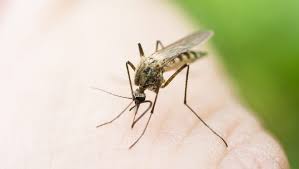
 If you live in Washington, D.C., you’ve probably noticed one thing every summer: the mosquitoes can feel relentless. Whether you’re trying to enjoy your backyard or take an evening walk, it often seems like mosquitoes are everywhere.
So, why are mosquitoes so bad in DC summers—and more importantly, what can you do about it?
The Perfect Storm: Heat, Humidity, and Water
Mosquitoes thrive in warm, humid environments, and summers in Washington, D.C. provide ideal conditions.
- High humidity: Helps mosquitoes survive longer and stay active
- Warm temperatures (70°F–90°F): Speeds up their breeding cycle
- Frequent rainstorms: Creates standing water where mosquitoes lay eggs
In these conditions, mosquito populations can explode in just a matter of weeks.
Urban Water Sources Everywhere
One of the biggest reasons mosquitoes are so bad in DC is the abundance of water sources—both natural and man-made.
Areas near the Potomac River and Rock Creek Park are especially prone to higher mosquito activity.
But even if you don’t live near these spots, mosquitoes don’t need much water to breed. Common problem areas include:
- Clogged gutters
- Birdbaths
- Flower pots and trays
- Old tires or containers
- Low spots in your yard
Just a small amount of standing water can produce hundreds of mosquitoes.
Mild Winters Mean More Mosquitoes
Another factor is DC’s relatively mild winters. Unlike colder regions where freezing temperatures kill off large portions of the mosquito population, many mosquitoes here survive through:
- Eggs that overwinter and hatch in spring
- Adults hiding in protected areas
This gives mosquito season a head start once temperatures rise again.
Fast Breeding Cycles
Mosquitoes reproduce quickly—especially in DC’s summer climate. In ideal conditions, they can go from egg to biting adult in as little as 7–10 days.
That means if you’re not actively preventing them, populations can grow rapidly before you even notice a problem.
Health Risks Are Real
Beyond being annoying, mosquitoes can pose health concerns. In the DC area, they are known carriers of diseases like West Nile virus.
According to the Centers for Disease Control and Prevention, reducing mosquito exposure is an important step in protecting your household during peak season.
What You Can Do to Reduce Mosquitoes
The good news: you’re not powerless. A combination of prevention and treatment can dramatically reduce mosquito activity.
1. Eliminate Standing Water
This is the most important step. Regularly check your yard and remove any water that collects for more than a few days.
2. Maintain Your Yard
- Keep grass trimmed
- Prune dense shrubs
- Clear debris where mosquitoes can rest
3. Use Fans and Outdoor Airflow
Mosquitoes are weak fliers, so adding airflow to patios and decks can help keep them away.
4. Consider Professional Treatment
DIY methods can help, but they often aren’t enough in high-pressure areas like Washington, D.C..
Professional mosquito control services:
- Target breeding and resting areas
- Provide ongoing protection
- Significantly reduce populations
Final Thoughts
So, why are mosquitoes so bad in DC summers? It comes down to a combination of heat, humidity, abundant water sources, and mild winters—all working together to create the perfect breeding environment.
The key is acting early and staying consistent. With the right approach, you can take back your yard and enjoy your summer without constant bites.