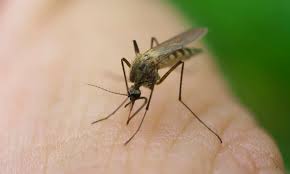
 Mosquito season in Washington, D.C. isn’t just a summer annoyance—it’s a yearly cycle shaped by local climate, rainfall, and rising temperatures. In recent years, residents have noticed that mosquito season seems to start earlier, last longer, and hit harder than in the past. Understanding what this season looks like can help you better plan protection for your home and family.
Here’s a look at how mosquito activity is shaping up this year in the nation’s capital.
A Longer Mosquito Season in D.C.
Thanks to warmer temperatures and increased humidity in the D.C. area, mosquito season has been expanding. Data shows that Washington, D.C. now experiences significantly more mosquito-friendly days than it did decades ago, meaning the conditions mosquitoes need—warmth and moisture—are sticking around longer into spring and fall. DC Mosquito Defense+1
That means residents often see mosquitoes as early as April or May, and biting activity can persist well into September or October, especially if warm weather lingers. DC Mosquito Defense
What Drives Mosquito Activity Here
🌡 Warm, Humid Summers
Washington, D.C.’s hot, humid summers create ideal breeding conditions. Mosquitoes thrive with frequent rainfall and standing water (in gutters, birdbaths, planters, and storm drains), and the city’s humidity helps them survive longer and lay more eggs. Mosquito Sheriff
🦟 Multiple Mosquito Generations
Different mosquito species emerge at various points in the season. Early season mosquitoes appear in spring, while peak populations—especially nuisance biters like Aedes and Culex species—typically occur mid-summer through late summer. Better Termite & Pest Control
Health Risks and Local Monitoring
Mosquito season isn’t only about itchy bites—there are public health factors too. Mosquito-borne illnesses like West Nile virus are present in the D.C. region, and cases tend to occur during active mosquito months. DC Health
Local authorities and health departments encourage residents to reduce standing water and use EPA-approved repellents to help lower risk. DC Health
External link: CDC mosquito prevention guidance — https://www.cdc.gov/mosquitoes
What This Season Looks Like for You
Here’s a rough seasonal snapshot for Washington, D.C. this year:
-
Early Spring (April–May): First mosquitoes emerge as temperatures consistently rise.
-
Early Summer (June): Populations grow quickly with warm, wet conditions.
-
Mid to Late Summer (July–August): Peak mosquito activity—this is when bites and nuisance complaints are at their highest.
-
Early Fall (September–October): If warm weather persists, mosquitoes can remain active into fall. DC Mosquito Defense
How to Stay Ahead of Mosquitoes This Year
Being proactive makes the biggest difference when it comes to enjoying your yard without constant buzzing and bites. Here’s what you can do:
👉 Plan early: Start mosquito control before peak season begins. Why winter is the perfect time to plan mosquito control
👉 Eliminate standing water: Mosquitoes only need tiny amounts of water to breed.
👉 Use professional control services: Experts can help interrupt mosquito populations before they get out of hand. Internal link: Schedule your mosquito control service today
EPA mosquito control tips — https://www.epa.gov/mosquitocontrol
Stay Prepared … All Season Long
Mosquito season in Washington, D.C. is more than just a few summer weeks. With longer seasons becoming the new normal, understanding the timing and what influences mosquito activity will help you protect your family and enjoy your outdoor spaces.
The key to a more comfortable season isn’t just reacting when mosquitoes arrive—it’s planning ahead, reducing breeding areas, and staying informed throughout the year.