

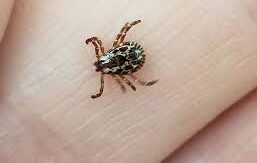
 Ticks are a growing concern for homeowners across the DMV. If you’re wondering when risk is highest, understanding tick season in Washington, DC can help you protect your family, pets, and property more effectively.
Many residents assume ticks are only a summer problem — but in reality, tick activity in DC starts earlier and lasts longer than most people think.
When Does Tick Season Start in Washington, DC?
In the Washington, DC area, tick season typically begins in early spring (March–April) when temperatures consistently rise above freezing.
According to the Centers for Disease Control and Prevention, ticks become active when temperatures reach around 45°F. Because DC often experiences mild winters, ticks can emerge earlier than in colder northern states.
Peak Tick Activity in DC
While ticks are active from spring through fall, peak activity usually occurs during:
-
May through July (highest risk months)
-
Warm, humid periods
-
After heavy rainfall
The Mid-Atlantic climate — including Washington, DC, Maryland, and Northern Virginia — provides ideal conditions for tick survival.
Areas near wooded trails and park systems like Rock Creek Park are particularly prone to higher tick populations due to dense vegetation and wildlife activity.
Are Ticks Active in Fall in Washington, DC?
Yes — and this surprises many homeowners.
In DC, ticks remain active through October and even November if temperatures stay mild. Adult ticks often re-emerge in the fall seeking hosts before winter.
This extended season is why many pest professionals recommend continued treatment beyond summer.
Common Tick Species in Washington, DC
The most common ticks found in the DC region include:
-
Blacklegged ticks (deer ticks) – known for spreading Lyme disease
-
American dog ticks
-
Lone star ticks
The District of Columbia Department of Health monitors vector-borne disease trends in the area.
DC Health Vector Surveillance
https://dchealth.dc.gov/
Why Tick Season Is Getting Longer
Several factors are contributing to longer tick seasons in the Mid-Atlantic:
-
Warmer average temperatures
-
Shorter, milder winters
-
Expanding deer populations
-
Increased suburban wildlife
The Environmental Protection Agency notes that changing climate patterns are influencing pest activity across many regions of the U.S.
EPA Climate & Pest Trends
https://www.epa.gov/climate-indicators
Where Ticks Hide in DC Yards
Even urban and suburban DC homes can have tick-friendly environments. Ticks commonly hide in:
-
Leaf litter
-
Tall grass
-
Shaded fence lines
-
Under shrubs
-
Wooded property edges
Homes bordering parkland, wooded lots, or creek beds may experience higher tick pressure.
How to Protect Your Yard During Tick Season in Washington, DC
To reduce tick risk:
-
Keep grass trimmed short
-
Remove leaf debris regularly
-
Install mulch or gravel barriers along wooded edges
-
Discourage deer and wildlife
-
Schedule professional tick treatments
When Should You Start Tick Treatment in DC?
For best results, professional tick treatments should begin in early spring (March or April) before populations peak.
Most mosquito and tick control programs in Washington, DC include:
-
Initial early-season treatment
-
Recurring applications every 3–5 weeks
-
Continued service through late fall
Starting early prevents population buildup during peak months.
Final Thoughts on Tick Season in Washington, DC
Tick season in Washington, DC is longer than many homeowners realize. Activity typically begins in early spring, peaks in late spring and summer, and can continue into fall.
Understanding local tick patterns helps you:
-
Reduce exposure risk
-
Protect children and pets
-
Plan proactive yard treatments
-
Lower the risk of tick-borne illness
If your home borders wooded areas or parkland, early prevention is especially important.