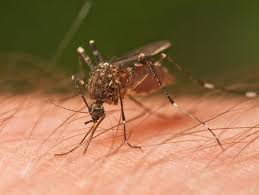
 Mosquitoes can be found on nearly every continent, but some regions experience mosquito activity on a completely different level. The world’s most mosquito-infested places provide the perfect combination of standing water, warm temperatures, and humidity, allowing mosquito populations to thrive year-round. From tropical rainforests to coastal wetlands, these hotspots offer a fascinating look at the environments where mosquitoes flourish—and what homeowners can learn to better protect their own properties from infestations.
Understanding the world’s most mosquito-infested places can help homeowners and businesses recognize the environmental factors that contribute to mosquito problems—and why professional mosquito control is often essential.
What Makes a Place Mosquito-Infested?
Mosquitoes require three key ingredients to thrive:
- Standing water for breeding
- Warm temperatures
- Humid conditions
Areas that consistently provide these conditions often experience large mosquito populations throughout the year.
According to the World Health Organization (WHO), mosquitoes remain one of the deadliest animals in the world due to their ability to transmit diseases to humans. Learn more about mosquito-related health risks at https://www.who.int/news-room/fact-sheets/detail/malaria.
1. The Amazon Rainforest
The Amazon Rainforest is often considered one of the world’s most mosquito-infested places. Stretching across multiple South American countries, the region’s hot temperatures, dense vegetation, and abundant rainfall create ideal mosquito breeding conditions.
The rainforest contains countless pools of standing water, slow-moving streams, and humid environments where mosquito populations can flourish year-round.
2. The Florida Everglades
The Florida Everglades are famous for wildlife, but they’re also known for enormous mosquito populations. The combination of wetlands, marshes, and subtropical weather creates an environment where mosquitoes can breed in massive numbers.
Residents and visitors often report intense mosquito activity, especially during warmer months and following heavy rainfall.
3. Coastal Louisiana
Louisiana’s swamps, bayous, and humid climate make it one of North America’s most mosquito-prone regions.
Frequent flooding, standing water, and warm temperatures support mosquito breeding throughout much of the year. Following hurricanes or tropical storms, mosquito populations can increase dramatically due to additional water accumulation.
4. Sub-Saharan Africa
Many areas across Sub-Saharan Africa experience high mosquito populations due to tropical climates and seasonal rainfall patterns.
Mosquitoes thrive in regions where water remains available for breeding and temperatures remain warm throughout the year. The Centers for Disease Control and Prevention (CDC) provides extensive information about mosquito-borne illnesses and prevention at https://www.cdc.gov/mosquitoes.
5. Southeast Asia
Countries throughout Southeast Asia frequently experience large mosquito populations due to year-round heat and humidity.
Urban environments can also contribute to mosquito problems. Containers, drainage systems, construction sites, and improperly managed standing water often provide breeding sites close to residential and commercial properties.
6. Arctic Regions During Summer
While it may seem surprising, some Arctic areas experience overwhelming mosquito activity during the short summer season.
As snow and ice melt, countless pools of standing water form across the landscape. Combined with nearly continuous daylight, these conditions can create explosive mosquito hatches that affect both wildlife and humans.
Why Mosquito Populations Are Growing
Several factors are contributing to increasing mosquito populations worldwide:
Climate Changes
Warmer temperatures can extend mosquito breeding seasons and allow some species to survive in areas where they previously could not.
Urban Development
Construction projects, stormwater retention ponds, and poorly maintained drainage systems can create new breeding habitats.
Increased Rainfall and Flooding
Heavy rainfall often leads to more standing water, giving mosquitoes additional places to lay eggs.
These same factors can contribute to mosquito problems in residential neighborhoods, commercial properties, and community spaces throughout the United States.
What Homeowners Can Learn from Mosquito Hotspots
Even if you don’t live near a rainforest or swamp, the environmental conditions that create mosquito hotspots can exist in your own backyard.
Common mosquito breeding locations include:
- Bird baths
- Clogged gutters
- Flowerpot trays
- Children’s toys
- Unused swimming pools
- Low spots in the yard that collect water
Regular inspections and prevention measures can significantly reduce mosquito activity around your property.
How Mosquito Sheriff Can Help
At Mosquito Sheriff, we understand what allows mosquito populations to thrive. Our professional mosquito control services target breeding and resting areas to help reduce mosquito activity before it becomes a major problem.
Our services can help:
- Reduce mosquito populations around your property
- Identify potential breeding sites
- Protect outdoor living spaces
- Improve comfort for families, guests, and customers
- Provide ongoing seasonal mosquito protection
Whether you’re dealing with mosquitoes around your home, business, apartment community, or event venue, Mosquito Sheriff offers customized solutions designed for long-term results.
For additional prevention tips, visit our Mosquito Prevention Tips page.
Don’t Let Mosquitoes Take Over Your Property
While the world’s most mosquito-infested places may seem far away, the same conditions that support mosquito populations can exist right outside your door.
By identifying breeding sites, eliminating standing water, and investing in professional mosquito control, you can reclaim your outdoor space and enjoy your property with confidence.
Contact Mosquito Sheriff today to learn how our mosquito control services can help protect your home or business throughout mosquito season.