

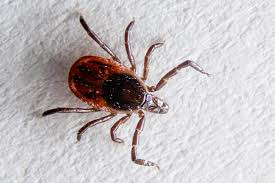
 When most people think of ticks, they imagine warm summer days and wooded trails. However, the groundwork for a tick-free spring actually begins in winter. Ticks don’t disappear when temperatures drop—many survive the cold and wait for the first warm day to emerge in full force. That’s why winter tick management is one of the most important steps homeowners can take to protect their properties before spring arrives.
Here’s why winter matters—and how early preparation creates a safer, healthier yard all year long.
1. Ticks Don’t Die in Winter—They Overwinter
Contrary to popular belief, ticks don’t freeze to death in winter. Instead, they use survival strategies such as:
-
Hiding in leaf litter
-
Taking shelter in brush and overgrown areas
-
Nestling under snow cover
-
Latching onto warm-blooded hosts like deer and mice
Because of these tactics, ticks stay protected until spring temperatures rise again.
By addressing tick habitats in winter, you prevent overwintering ticks from turning into a massive spring infestation.
2. Early Intervention Reduces Spring Population Spikes
Tick populations explode in early spring. During winter, many ticks:
-
Prepare to lay eggs
-
Remain attached to wildlife
-
Develop from nymphs into adults
-
Stay insulated near homes and wooded areas
A winter tick treatment interrupts this cycle, reducing the number of ticks that survive long enough to reproduce.
3. Wildlife Activity in Winter Spreads Ticks Into Your Yard
Deer, mice, squirrels, and even birds remain active during the winter months. These animals often carry ticks directly into your yard, especially if you have:
-
Bird feeders
-
Woodpiles
-
Compost heaps
-
Brush piles
-
Untouched leaf litter
Winter tick management includes reducing wildlife attractants and removing hiding spots that allow ticks to thrive before spring arrives.
4. Winter Yard Cleanup Eliminates Key Tick Habitats
Winter is the perfect time to tackle yard maintenance tasks that discourage ticks, such as:
-
Removing leaf piles
-
Cutting back overgrowth
-
Clearing brush and twigs
-
Keeping firewood dry and stacked neatly
-
Trimming tree lines and fence lines
By removing moisture-heavy debris, you reduce the areas where ticks shelter during winter.
5. Pets Are Still at Risk During Winter Warm Spells
Even on mild winter days above 40°F (4°C), ticks become active again. Pets who go outdoors—even briefly—can pick up ticks that were hiding in your landscaping.
Year-round prevention + winter tick treatments = the best protection for dogs and outdoor cats.
6. Winter Treatments Provide a Strong Foundation for Spring
Professional tick treatments applied in winter:
-
Kill overwintering ticks
-
Reduce egg-laying populations
-
Create a protective barrier for early spring
-
Prepare your yard for peak tick season
This proactive approach stops ticks before they ever become a problem.
When spring arrives, you start the season with fewer ticks, fewer risks, and fewer surprises.
7. Winter Planning Leads to a Safer Outdoor Space All Season Long
A tick-free spring doesn’t happen by accident—it begins with smart winter strategies. When you combine:
-
Winter yard cleanup
-
Wildlife deterrence
-
Year-round pet protection
-
Professional winter tick treatments
…you create a long-term defense system that protects your home long before tick season begins.
Learn more and contact us today!
-
CDC – Tick Information
https://www.cdc.gov/ticks -
EPA – Controlling Ticks in Your Yard
https://www.epa.gov/insect-repellents/controlling-ticks-your-yard -
American Veterinary Medical Association – Tick Prevention for Pets
https://www.avma.org/resources/pet-owners/petcare/tick-borne-disease