 When most people think about mosquitoes, they worry about itchy bites—but for pet owners, the stakes are higher. Understanding the mosquito risks for dogs in urban areas is essential to keeping your furry companion safe and healthy.
Even in dense cities like Washington, DC, mosquitoes are a real threat—and they can impact your dog more than you might expect.
Why Mosquitoes Are Dangerous for Dogs
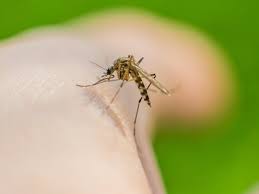
Mosquitoes don’t just bite—they can transmit serious diseases to pets.
Heartworm Disease
The biggest risk is heartworm disease, a potentially fatal condition spread through mosquito bites. Once infected, worms grow inside your dog’s heart and lungs.
According to the American Heartworm Society, heartworm disease has been diagnosed in all 50 states and is especially common in warm, humid areas.
Allergic Reactions & Skin Irritation
Some dogs experience swelling, itching, or allergic reactions from mosquito bites, especially in sensitive areas like the ears and nose.
Are Mosquitoes a Problem in Urban Areas?
Yes—urban environments can actually increase exposure.
Cities like Washington, DC provide ideal mosquito breeding conditions, including:
- Standing water in drains and alleys
- Rooftop puddles
- Parks and green spaces
- Poor drainage systems
Nearby areas such as Rock Creek Park can also contribute to higher mosquito populations.
Signs Your Dog May Be at Risk
Watch for these warning signs:
- Persistent coughing
- Fatigue or low energy
- Difficulty breathing
- Loss of appetite
If you notice these symptoms, contact your veterinarian immediately.
For more information, the Centers for Disease Control and Prevention provides guidance on mosquito-borne diseases affecting both humans and animals.
How to Protect Your Dog from Mosquitoes
Keeping your dog safe doesn’t have to be complicated. A few proactive steps can make a big difference.
1. Use Vet-Approved Heartworm Prevention
Monthly preventatives are the most effective way to protect your dog from heartworm disease.
2. Eliminate Standing Water
Remove water sources around your home where mosquitoes can breed.
3. Limit Outdoor Time During Peak Hours
Mosquitoes are most active at dawn and dusk—try to avoid walks during these times.
4. Keep Your Yard Maintained
Trim bushes, mow grass, and reduce shaded resting areas for mosquitoes.
5. Consider Professional Mosquito Control
Targeted treatments can significantly reduce mosquito populations around your home.
Can Mosquito Repellents Be Used on Dogs?
Not all repellents are safe for pets. Products designed for humans—especially those containing DEET—can be harmful to dogs.
Always:
- Use pet-specific products
- Consult your veterinarian before applying anything new
For safety guidelines, visit the Environmental Protection Agency.
Final Thoughts
Understanding the mosquito risks for dogs in urban areas is key to protecting your pet year-round. Even in the city, mosquitoes pose a real threat—but with the right precautions, you can keep your dog safe.
👉 Want to reduce mosquitoes around your home? Contact us today for a customized mosquito control plan that protects both your family and your pets.