 Most homeowners think mosquitoes disappear when temperatures drop. However, professional mosquito treatments in cold weather are highly effective at targeting dormant mosquitoes and preventing spring infestations. Even in winter, mosquito eggs and overwintering adults can survive in hidden spots, waiting for the first warm day to emerge. Professional treatments stop these pests before they become a problem.
1. Targeting Dormant Mosquitoes and Eggs
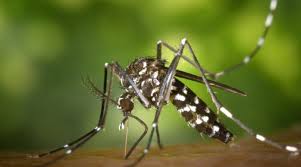
Certain mosquito species, like Culex pipiens and Aedes albopictus, survive winter either as eggs or adult mosquitoes in sheltered areas. Professional treatments use larvicides and residual insecticides to reach:
-
Standing water in gutters, birdbaths, and planters
-
Shaded, moist areas around your home
-
Vegetation and outdoor structures like sheds or decks
By eliminating these hidden populations during cold months, professionals reduce the number of mosquitoes that hatch in spring.
Learn more about mosquito hiding spots in Top 5 Places Mosquitoes Hide During Winter—and How to Eliminate Them.
2. Residual Treatments Keep Working
Professional mosquito treatments often use residual formulas that continue working for weeks or months. These treatments adhere to surfaces such as:
-
Fence lines and walls
-
Shrubs and plant leaves
-
Decks and patios
When mosquitoes come into contact with these treated areas—even in cooler temperatures—they are eliminated before reproducing.
3. Comprehensive Winter Inspections
Winter mosquito control starts with a thorough inspection. Professionals look for hidden breeding grounds that homeowners might overlook, including:
-
Clogged gutters and drains
-
Damp crawl spaces or basements
-
Containers, buckets, and unused planters
Identifying these problem areas ensures preventive measures are applied before mosquito activity picks up in spring.
The CDC Mosquito Prevention Guidelines provide detailed tips on mosquito habitats and control methods.
4. Preventing Early Spring Outbreaks
Mosquito eggs that survive winter can hatch quickly when temperatures rise. Professional winter treatments neutralize eggs and dormant adults, reducing the risk of early-season infestations and minimizing the need for repeated summer treatments.
(Internal link suggestion:) Learn more about preparing your home for a mosquito-free spring in Winter Inspections: Preparing for a Mosquito-Free Spring.
5. Environmentally Responsible Solutions
Many professional mosquito treatments are eco-friendly and safe for pets, plants, and pollinators. These methods remain effective at lower temperatures and offer long-term protection while minimizing environmental impact.
Check the EPA’s Guide to Mosquito Control for environmentally safe practices.
Conclusion
Cold weather doesn’t mean mosquito prevention should stop. Professional mosquito treatments in cold weather target dormant pests, prevent eggs from hatching, and create long-lasting protection for your home and yard. By scheduling a winter treatment, you can enjoy a mosquito-free spring and avoid early-season infestations.