 Crisp air, golden leaves, and quiet trails make fall the perfect time for hiking. But while you’re enjoying the scenery, ticks are still on the hunt—and they don’t take the season off.
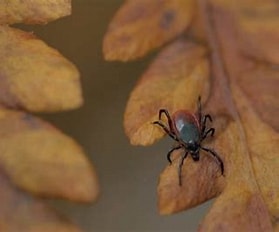
Ticks are active well into fall, especially adult deer ticks (blacklegged ticks), which are known carriers of Lyme disease and other illnesses.
So before you hit the trails, read this guide on how to prevent tick bites on the trail and stay safe during your autumn adventures.
🍁 Why Ticks Are Still a Threat in Fall
Many people assume ticks die off after summer, but the truth is:
-
Adult ticks become most active in fall, especially when temperatures are between 40°F and 60°F.
-
Ticks thrive in moist, shaded environments like leaf litter and wooded trails.
-
They cling to grasses and low branches, waiting for a host (you or your pet!) to pass by.
According to the CDC, blacklegged ticks are most active in fall and continue to search for hosts until the ground freezes.
🛡️ How to Prevent Tick Bites on the Trail
You don’t have to give up hiking to stay safe—just follow these precautions:
1. Dress Smart
-
Wear light-colored clothing to make ticks easier to spot.
-
Tuck pants into socks and shirts into pants.
-
Consider wearing permethrin-treated clothing, which repels and kills ticks on contact.
2. Stick to the Center of the Trail
Avoid brushing up against tall grass, leaves, or shrubs along the edges—that’s where ticks wait.
3. Use EPA-Approved Repellent
Apply insect repellent with DEET, picaridin, or oil of lemon eucalyptus to exposed skin. Use products approved for tick protection, not just mosquitoes.
4. Check Yourself Frequently
-
Do a full-body tick check during and after your hike.
-
Pay special attention to behind the knees, waistbands, underarms, scalp, and ankles.
5. Shower ASAP After Your Hike
Showering within two hours can help remove unattached ticks before they bite.
6. Don’t Forget About Pets
Ticks can hitch a ride on your dog and end up in your home.
Use vet-recommended tick preventatives and check your pets after every hike.
🐶 Tick-Borne Illnesses Are No Joke
Ticks can transmit diseases like:
-
Lyme disease
-
Anaplasmosis
-
Ehrlichiosis
-
Babesiosis
Symptoms can be serious and often go unnoticed at first. That’s why prevention is your best protection.
For a full list of symptoms and diseases, visit the CDC’s Tick-Borne Disease page.
🏡 How Mosquito Sheriff Can Help Back at Home
Your yard might be just as dangerous as the trails if ticks are hiding in leaf piles, tall grass, or shady areas.
At Mosquito Sheriff, we offer:
-
✅ All-natural tick and mosquito treatments safe for pets and families
-
📍 Targeted fall applications that reduce tick populations in your yard
-
🕵️ Expert inspections to find tick habitats and breeding areas
-
🐾 Protection for pets and kids who play outside year-round
🍂 Don’t let a beautiful fall hike turn into a health scare.
Contact Mosquito Sheriff today to protect your home and yard from ticks this season.
🔗 External Resources
🏠 Related Articles (Internal Links)
Final Thoughts
Fall is one of the best times to be outdoors—but it’s also when tick prevention is more important than ever. With a few smart steps, you can enjoy the trails without bringing home unwanted hitchhikers.
👉 Stay protected on the trail and in your yard with expert help from Mosquito Sheriff.
Schedule a fall tick treatment today »