

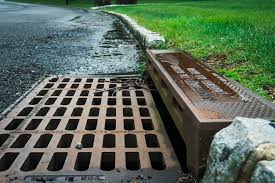
The DC stormwater mosquito breeding risk is an often-overlooked factor in understanding why mosquito activity persists across Washington, DC—even in highly developed neighborhoods. While stormwater systems are designed to prevent flooding and move rainwater efficiently, they can also create hidden pockets of stagnant water where mosquitoes thrive.
During heavy summer storms or periods of clogged drainage, water can remain trapped in infrastructure long enough for mosquito larvae to develop, turning essential city systems into unintended breeding sites.
How stormwater systems work in Washington DC
DC’s stormwater system is a mix of underground storm drains, combined sewer systems in older parts of the city, retention basins, and surface runoff channels. Its main purpose is to quickly move rainfall away from streets and properties to prevent flooding.
However, during heavy rainfall events—common in DC’s humid summers—these systems can become overwhelmed. When that happens, water may temporarily pool in unexpected places such as:
- Catch basins and storm drains with slow drainage
- Construction sites with compacted soil
- Low-lying streets and alleys
- Overflow areas near rivers like the Potomac
Mosquitoes only need a small amount of stagnant water—sometimes less than a bottle cap—to begin breeding.
Why stormwater infrastructure can increase mosquito risk
1. Standing water in catch basins and drains
Catch basins are one of the most common hidden breeding sites. When debris like leaves, trash, or sediment accumulates, water can stagnate long enough for mosquito larvae to develop.
More information on mosquito breeding habits is available from the CDC Mosquito Control Guidance.
2. Combined sewer overflow events
In parts of DC with older infrastructure, stormwater and sewage share the same pipes. During heavy rain, these systems can overflow, creating temporary pools and wet conditions that support mosquito development in nearby areas.
The environmental impacts of urban stormwater systems are also outlined by the US EPA Stormwater Program.
3. Slow-draining urban landscapes
Impervious surfaces like concrete and asphalt prevent water absorption. As a result, runoff collects in small depressions such as:
- Sidewalk cracks
- Curbs and gutter edges
- Parking lots
- Yard drainage channels
These micro-pools are often overlooked but can be significant breeding grounds.
4. Proximity to rivers and wetlands
DC’s location near the Potomac River and Anacostia River adds another layer of complexity. Stormwater runoff often feeds into these ecosystems, where certain mosquito species naturally thrive in warm, humid conditions.
Neighborhood-level variation in mosquito risk
Not all parts of DC are affected equally. Mosquito risk tied to stormwater tends to be higher in:
- Older neighborhoods with aging drainage infrastructure
- Areas with dense tree cover and leaf litter accumulation
- Construction-heavy zones with disrupted soil grading
- Low-elevation areas near waterways
Even small differences in drainage efficiency can significantly influence local mosquito populations.
What homeowners and property managers can do
While stormwater systems are largely managed at the municipal level, there are still practical steps that reduce local mosquito breeding risk:
Keep drainage areas clear
Regularly remove leaves, trash, and debris from gutters, yard drains, and curbside areas.
Prevent water pooling on property
Check for low spots in lawns, patios, or driveways where water collects after rain.
Maintain gutters and downspouts
Clogged gutters are one of the most overlooked breeding sources in residential areas.
Report persistent drainage issues
Chronic standing water near streets or storm drains should be reported to local authorities for inspection and maintenance.
For broader prevention strategies, the EPA guidance on mosquito prevention offers additional resources.
The bigger picture: urban design and mosquito control
As Washington DC continues to grow and densify, stormwater management will remain a critical factor in public health planning. Modern infrastructure improvements—such as green roofs, permeable pavement, and improved drainage maintenance—can reduce both flooding risk and mosquito breeding opportunities.
Mosquito control is no longer just a backyard issue; it is increasingly tied to how cities manage water itself.
Contact us today to schedule your treatment!