 Mosquitoes are more than just a backyard nuisance—they can also pose health risks and make outdoor activities uncomfortable. Understanding the common mosquito species in Maryland can help homeowners identify potential problems and take steps to reduce mosquito populations around their property.
Different mosquito species have unique behaviors, breeding habits, and activity patterns. Knowing which types are common in Maryland can help you better protect your yard and family.
Why Mosquito Species Matter
Not all mosquitoes behave the same way. Some species prefer breeding in standing water around homes, while others thrive in wetlands, floodwater areas, or stormwater systems.
According to the Centers for Disease Control and Prevention, certain mosquito species are also capable of transmitting diseases to humans and animals, making mosquito control an important part of public health.
Below are some of the most commonly found mosquito species in Maryland.
Asian Tiger Mosquito (Aedes albopictus)
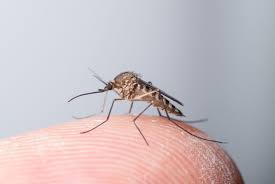
The Asian tiger mosquito is one of the most recognizable mosquito species due to its distinctive black body with white stripes on its legs and back.
Key characteristics:
-
Aggressive daytime biter
-
Common in residential neighborhoods
-
Breeds in small containers of standing water
This species often lays eggs in items such as:
-
Flower pots
-
Buckets
-
Bird baths
-
Outdoor containers
Because they thrive in small water sources, they are commonly found in suburban and urban areas.
Northern House Mosquito (Culex pipiens)
The northern house mosquito is another species commonly found throughout Maryland.
Key characteristics:
-
Most active at dusk and nighttime
-
Often breeds in stagnant or polluted water
-
Frequently found in urban and residential areas
Typical breeding locations include:
-
Storm drains
-
Clogged gutters
-
Standing water in neglected containers
This species is known for spreading certain mosquito-borne illnesses, which is why controlling standing water is especially important.
Information about mosquito-borne disease prevention can also be found through the United States Environmental Protection Agency.
Eastern Saltmarsh Mosquito (Aedes sollicitans)
The Eastern saltmarsh mosquito is commonly found in coastal areas and wetlands near Maryland.
Key characteristics:
-
Strong flyer capable of traveling several miles
-
Often appears after heavy rains or flooding
-
Known for aggressive biting behavior
These mosquitoes breed in floodwater habitats, making them more common in areas close to marshes and coastal environments.
Inland Floodwater Mosquito (Aedes vexans)
Another species frequently found in Maryland is the inland floodwater mosquito.
Key characteristics:
-
Appears after heavy rainstorms
-
Breeds in temporary pools of water
-
Active during evening hours
Because their eggs can survive in dry soil for long periods, large populations may suddenly appear after rainfall.
How to Reduce Mosquito Populations Around Your Home
Even though different mosquito species have different habitats, many prevention strategies are the same.
Homeowners can reduce mosquito populations by:
-
Removing standing water around the yard
-
Cleaning gutters regularly
-
Trimming dense vegetation
-
Maintaining proper yard drainage
Small prevention steps can significantly reduce the number of mosquitoes around your home.
When Professional Mosquito Control Helps
In areas where mosquito populations are high, professional mosquito control services can help manage breeding sites and reduce adult mosquito activity.
Targeted treatments can focus on areas where mosquitoes rest during the day, including shaded vegetation and damp areas around the yard.
Final Thoughts
Understanding the common mosquito species in Maryland can help homeowners recognize potential mosquito problems and take action early. Each species has different habits, but they all rely on water and sheltered areas to survive.
By eliminating breeding sites and taking preventative steps, you can significantly reduce mosquito activity and enjoy your outdoor space more comfortably. 🦟🌿