

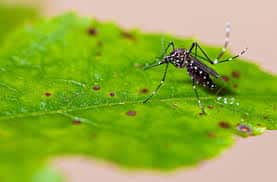
 Why NJ Summers Mean More Mosquitoes: What Homeowners Should Know
If it feels like mosquitoes take over your yard every summer, you’re not wrong. Homeowners across New Jersey often notice a sharp increase in biting activity once temperatures rise. Understanding why NJ summers mean more mosquitoes can help you take the right steps to reduce them around your home.
Warm, Humid Weather Speeds Up Mosquito Growth
Mosquitoes thrive in warm, humid environments. Once consistent summer temperatures arrive, their life cycle speeds up dramatically.
In ideal conditions, mosquitoes can go from egg to biting adult in about 7–10 days. That means populations can grow quickly after just a few warm, wet weeks.
Summer Rain Creates Breeding Grounds
New Jersey summers often bring frequent thunderstorms and heavy rainfall. This leaves behind standing water, which mosquitoes use to reproduce.
Common breeding sites include:
- Clogged gutters
- Bird baths
- Flower pot trays
- Buckets and outdoor toys
- Low spots in lawns and driveways
According to the Centers for Disease Control and Prevention, mosquitoes require standing water to complete their life cycle.
Learn more: https://www.cdc.gov/mosquitoes
Humidity Helps Mosquitoes Survive Longer
High humidity doesn’t just help mosquitoes breed—it helps them live longer and stay active throughout the day.
This leads to:
- More mosquitoes in yards
- Longer biting seasons
- Increased nighttime activity
More Outdoor Activity Means More Exposure
Summer in New Jersey means more time outside:
- Backyard barbecues
- Pool parties
- Evening walks
- Outdoor sports
Mosquitoes are most active during dawn and dusk, which often overlaps with these activities.
Local Conditions Make NJ Especially Prone
Certain conditions across New Jersey contribute to higher mosquito populations:
- Dense suburban neighborhoods
- Poor yard drainage
- Tree coverage and shade
- Nearby wetlands and waterways
Homes in wooded or low-lying areas often experience even heavier mosquito pressure.
How to Reduce Mosquitoes Around Your Home
Eliminate Standing Water
Removing breeding sites is the most effective prevention method.
Check your yard regularly for any water buildup.
Maintain Your Landscaping
Mosquitoes rest in shaded, humid areas during the day.
- Mow grass frequently
- Trim shrubs and bushes
- Remove leaf litter and debris
Consider Professional Mosquito Control
DIY efforts can help, but they often don’t fully control mosquito populations during peak summer months. Professional treatments target both adult mosquitoes and breeding zones for more consistent results.
The Environmental Protection Agency recommends integrated mosquito management strategies for effective control.
More info: https://www.epa.gov/mosquitocontrol
Final Thoughts
Understanding why NJ summers mean more mosquitoes comes down to a combination of weather, rainfall, humidity, and suburban landscapes. While mosquitoes are a normal part of summer, their impact can be greatly reduced with consistent prevention and professional treatment.
Taking action early in the season helps keep your yard more comfortable all summer long.