

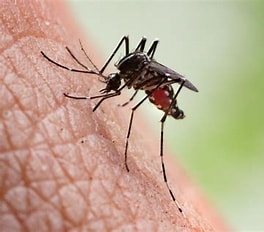
 We all know mosquitoes hate certain scents, temperatures, and environments, but have you ever wondered:
What sounds do mosquitoes hate?
Some companies claim that certain high-frequency sounds can drive mosquitoes away, while others swear by natural sound barriers like fans or running water.
In this blog, we explore the truth behind mosquito hearing, the sounds they avoid, and how Mosquito Sheriff offers powerful, science-backed protection—no noise required.
🎧 Do Mosquitoes Really “Hear” Sound?
Technically, mosquitoes don’t have ears like humans. But they do detect sound through antennae and fine hairs that pick up air vibrations, particularly in the 300–800 Hz range.
-
🧬 Males use sound to find female mates (they’re attracted to the female’s wingbeat).
-
🦟 Some species are startled by sudden loud noises or rhythmic disturbances.
So yes—mosquitoes can “hear” in their own way. And certain sounds can affect their behavior.
🔊 1. Ultrasonic Frequencies (Above 20 kHz)
You’ve probably seen gadgets marketed as “ultrasonic mosquito repellents.” These emit high-frequency sounds meant to irritate mosquitoes or mimic predators (like dragonflies).
Do they work?
Not reliably.
🔗 A review by the American Mosquito Control Association (AMCA) found no consistent evidence that ultrasonic devices repel mosquitoes.
What mosquitoes hate:
-
Loud, abrupt ultrasonic pulses may startle some species
-
Frequencies above 38–40 kHz have shown mild avoidance behavior in lab settings
Verdict:
Ultrasonic repellents are mostly ineffective outdoors or in large spaces. They might make mosquitoes uncomfortable, but won’t replace real protection.
💨 2. Fan and Airflow Sounds
Mosquitoes are weak fliers. The sound and vibration of a fan not only disturb their movement, but also mask your scent and body heat.
Why it works:
-
Mosquitoes hate the frequency of turbulent air (around 100–300 Hz)
-
It makes it harder for them to find you using CO₂ detection
🔗 According to Scientific American, wind and air movement reduce mosquito landings by 60–80%.
How to use it:
-
Place a fan at ground level when outdoors
-
Use white noise or airflow indoors to create a deterrent zone
💦 3. Water Features & Bubbling Sounds
Mosquitoes need still water to breed. The sound of moving water is a deterrent because it signals an unsuitable environment.
Why they hate it:
-
Flowing water disrupts egg-laying
-
Bubbling and trickling noises (below 100 Hz) create auditory chaos
Tip:
Install a fountain, pond pump, or aerator to prevent mosquito breeding and create a soothing backyard ambiance.
🔗 The EPA recommends eliminating or circulating standing water to control mosquito populations.
🧠 4. Predator Sounds (Like Dragonflies)
Some ultrasonic apps and devices claim to mimic dragonfly wingbeats, a natural mosquito predator.
Does it help?
Only slightly. Mosquitoes may instinctively avoid dragonfly habitats, but sound alone isn’t a strong enough deterrent.
🔗 A study in the Journal of Vector Ecology noted minimal behavioral change in mosquitoes exposed to predator mimicry sounds.
🛡️ 5. The Sound of Silence: What Works Better
Despite all the buzz, mosquitoes don’t flee at the push of a sonic button. Real prevention comes from combining scent, environment, and professional protection.
That’s where Mosquito Sheriff comes in.
🛡️ How Mosquito Sheriff Protects—No Noise Required
At Mosquito Sheriff, we skip the gimmicks and go straight to what works:
100% natural, essential oil-based barrier treatments that mosquitoes truly hate.
Why we’re better than buzz:
-
✅ Uses proven scents like citronella, peppermint, eucalyptus, and lemongrass
-
✅ Eco-friendly and safe for pets, kids, and pollinators
-
✅ No electronic devices or chemicals needed
-
✅ Long-lasting protection (up to 21 days)
-
✅ Expert application and flexible scheduling
🗓️ Schedule your service and enjoy mosquito-free living—no buzzing, beeping, or ultrasonic gadgets necessary.
🔁 Recap: What Sounds Do Mosquitoes Hate?
| Sound Type | Effectiveness | Why It Works |
|---|---|---|
| Ultrasonic Frequencies | ❌ Low | Lacks strong scientific support |
| Fan & Airflow | ✅ High | Disrupts flight and CO₂ tracking |
| Moving Water | ✅ Medium | Prevents breeding and disorients |
| Predator Sounds | ❌ Low | Slight behavioral response |
| Natural Silence + Treatment | ✅✅✅ | Best overall approach |
🔗 Internal Links:
🔗 External Links Used:
-
Journal of Vector Ecology – Study on Predator Sounds & Mosquito Behavior (NIH-hosted)