

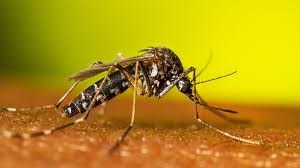
 If you’re looking for a natural way to keep mosquitoes away this spring, you’ve probably heard about mosquito-repelling plants. But do they actually work in New Jersey—or are they just a gardening myth?
The short answer: they can help, but they won’t solve the problem on their own. Let’s break down what these plants can (and can’t) do, and how to use them effectively in your yard.
🌿 What Are Mosquito-Repelling Plants?
Certain plants contain natural oils and scents that mosquitoes find unpleasant. These compounds can act as mild repellents—but usually only when the plant’s oils are released (like when leaves are crushed).
🌱 Popular Mosquito-Repelling Plants for New Jersey Yards
Here are some of the most commonly recommended options for homeowners in Middlesex County:
🌼 Citronella Grass
Often marketed as the “mosquito plant,” citronella contains oils used in repellents.
- Works best when oils are extracted or burned (like in candles)
- Not very effective just sitting in a pot
🌿 Lavender
A fragrant plant that people love—but mosquitoes don’t.
- Thrives in sunny areas
- May slightly deter mosquitoes nearby
- Bonus: attracts pollinators
🌿 Basil
A common herb with natural insect-repelling properties.
- Great for patios and outdoor seating areas
- Needs regular watering and sunlight
🌿 Mint
Strong scent that can confuse mosquitoes.
- Easy to grow (sometimes too easy—it spreads fast)
- Best kept in containers
🌼 Marigolds
Bright flowers with a distinct smell.
- Contain compounds used in some insect repellents
- Useful as part of a broader pest-control strategy
❗ Do Mosquito-Repelling Plants Actually Work?
Here’s the reality: they provide limited protection.
Mosquitoes in New Jersey—especially aggressive summer species—aren’t easily deterred by a few plants alone. For plants to have a noticeable effect, you would need:
- A dense concentration of them
- Leaves regularly crushed to release oils
- Placement very close to where you’re sitting
Even then, the protection is minimal compared to other methods.
🦟 Why Plants Aren’t Enough in New Jersey
Mosquito populations in Middlesex County are heavily influenced by:
- Spring rainfall
- Humidity levels
- Standing water sources
No plant can stop mosquitoes from breeding in your yard. Eliminating standing water is still the most important step.
For prevention tips, check out our guide to March mosquito control strategies (internal link example: /march-mosquito-prevention-nj).
🧪 What Actually Works Better?
While plants can be a helpful addition, they should be combined with proven mosquito control methods:
✅ Eliminate Breeding Sites
Remove standing water from gutters, containers, and low spots.
✅ Use Professional Treatments
Barrier sprays and larvicide treatments target mosquitoes at every stage of life.
👉 Learn more about our mosquito control services in New Jersey (internal link example: /mosquito-control-services-nj)
✅ Stay Informed
Local mosquito activity and health risks can change throughout the season. Visit the Centers for Disease Control and Prevention https://www.cdc.gov/ for guidance on mosquito-borne risks.
🌼 How to Use Mosquito-Repelling Plants Effectively
If you still want to incorporate these plants (and they do have benefits!), here’s how to get the most out of them:
- Place them near patios, decks, and entryways
- Use containers so you can move them where needed
- Crush leaves occasionally to release their oils
- Combine with citronella candles or other repellents
Think of them as a supporting layer—not your main defense.
✔️ Final Thoughts
Mosquito-repelling plants can add beauty and a mild layer of protection to your yard—but they won’t keep mosquitoes away on their own. For homeowners in Middlesex County, the best approach is a combination of prevention, maintenance, and professional treatment.
If you want real, lasting relief from mosquitoes this season, it’s best to start early and use proven solutions.