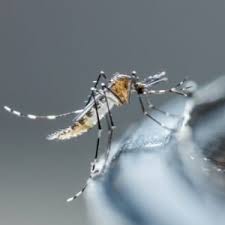
 While freezing temperatures and shorter days make many assume mosquitoes disappear, the truth is more complex. Many species survive winter by entering dormant or slowed-down phases, using strategies such as resilient eggs, larval dormancy, or sheltered overwintering — ensuring that once conditions improve, a new mosquito generation can emerge.
Understanding the mosquito life-cycle in cold weather is key for homeowners hoping to prevent spring infestations and stay a step ahead.
Mosquito Life Stages: Eggs → Larvae → Pupae → Adults (When Warm)
Normally, mosquitoes go through four stages: egg, larva, pupa, and adult. The first three stages require water.
-
Eggs — Laid by adult females often on water surfaces (or the walls of containers holding water, depending on species).
-
Larvae (“wigglers”) — Hatch when water covers eggs; live in water, feed on microorganisms and organic matter.
-
Pupae (“tumblers”) — Also aquatic, non-feeding; the stage right before adult emergence.
-
Adult mosquitoes — Emerge from pupae when conditions are favorable; females bite to obtain blood needed for egg production.
But in cold weather — below freezing or during prolonged cold — this cycle often halts. Many mosquitoes do not complete the cycle in winter.
How Mosquitoes Survive Winter — Eggs, Larvae & Adults Can All “Hold On”
Diapause & Dormant Eggs
-
Some species (especially those in the genus Aedes) lay eggs in late summer or fall that enter a state of dormancy — often called diapause. These eggs are remarkably hardy, capable of surviving months without water or through freezing temperatures. Tyson Research Center+2CDC+2
-
When spring arrives (with rain or snowmelt that refills containers, puddles, or natural basins), water returns and eggs hatch — often leading to a quick surge in mosquito larvae and eventually adults. CDC+2Maryland.gov Enterprise Agency Template+2
Larval Overwintering (in Some Species and Habitats)
-
In certain species and geographic regions, larvae can survive the winter by staying submerged in water — especially in deeper or sheltered aquatic habitats where water does not freeze solid (for example, swamps, marshes, or under dense vegetation). Maryland.gov Enterprise Agency Template+2biocommunication.org+2
-
In these conditions, low temperatures slow their metabolism and growth — development is delayed until warmer weeks return. Maryland.gov Enterprise Agency Template+2biocommunication.org+2
Overwintering Adults — Diapause or Quiescence
-
Some mosquitoes — often species in the genus Culex — survive as adult females by finding sheltered spots (basements, garages, hollow logs, crawlspaces, drains) where they avoid freezing temperatures. Army+2biocommunication.org+2
-
In cold weather, adult mosquitoes become lethargic: below about 50 °F (10 °C), many species stop flying and feeding. Enviro Research Institute+1
-
During this time, they enter a state of reduced metabolic activity, sometimes called quiescence (temporary dormancy) or diapause (a more programmed slowdown), depending on species. Army+2Maryland.gov Enterprise Agency Template+2
-
Male mosquitoes rarely survive winter — it’s usually inseminated females (or eggs/larvae) that carry the population forward. Maryland.gov Enterprise Agency Template+1
Because of these adaptations, mosquitoes don’t necessarily need warm weather year-round — they just need a reliable “reset button” to restart when spring or the next warm period comes.
Why Cold-Weather Survival Matters — For You and Your Backyard
-
Early-season population boom. Eggs laid in fall or larvae overwintering underwater can hatch or resume development early in spring. That gives mosquitoes a head start — meaning bites and infestations may appear even before you expect “mosquito season.”
-
Hidden reservoirs — more than just puddles. Even small containers, ditches, buried debris, or slow-draining water sources can harbor dormant eggs or larvae throughout winter.
-
Off-season prevention matters. Because mosquitoes survive winter in dormant forms, fall and winter yard maintenance (removing standing water, sealing up shelters, clearing debris) is just as important as summer cleanup.
-
Risk of “surprise” mosquito activity. In areas with mild winters or occasional warm spells, overwintering mosquitoes (especially adult females) may temporarily become active — resulting in unexpected bites or mosquito sightings in “off” months.
How to Use This Knowledge — Smart Year-Round Mosquito Control Tips
Based on the cold-weather life-cycle of mosquitoes, here are some practical steps for homeowners to reduce spring mosquito pressure:
-
✅ Eliminate potential egg-laying sites before winter — empty or store containers, remove standing water, clean gutters, drain plant saucers, tires, barrels, etc.
-
✅ Inspect and seal overwintering shelters — garages, crawlspaces, sheds, drains, woodpiles, gutters — to reduce chances of adult mosquitoes finding refuge near your home.
-
✅ Manage water bodies and drainage — check for slow-draining areas, low spots, clogged drains, or natural depressions that may collect water during rains or snowmelt.
-
✅ Plan early-season inspections or treatments — target potential larval habitats and containers before spring rains stir dormant eggs/larvae to life.
-
✅ Educate yourself on local mosquito species — understand which species are common in your region, and what their overwintering strategies are (eggs, larvae, adults) to tailor prevention accordingly.
- Contact us today!
Final Thoughts
The lifecycle of a mosquito doesn’t simply pause — it adapts. Through diapause eggs, submerged larvae, or sheltered adults, mosquitoes can survive cold weather and lie in wait until conditions improve. Understanding the mosquito life-cycle in cold weather empowers you to take preventive measures before mosquitoes return — reducing risks, bites, and infestations come spring.