

 Contrary to popular belief, many mosquitoes don’t simply die off when temperatures drop. Instead, some species survive the cold months by retreating into sheltered, protected spots — entering states of dormancy or diapause — to wait out winter until conditions improve.
Because these insects are cold-blooded, they cannot regulate their own body heat. Once the outside temperature falls below roughly 50 °F (10 °C), many species become inactive and look for the warmest, most insulated refuges they can find.
That’s why even in freezing weather, mosquitoes may still “survive” — tucked away safely in winter hiding spots.
Common Winter Hiding Spots for Mosquitoes
Here are some of the most frequent places mosquitoes use to overwinter — sometimes right under our noses:
-
Basements, Crawl Spaces & Cellars — Dark, damp, and insulated from the cold outside, these are among the top shelters for overwintering adult mosquitoes. Many species — including those from the Culex pipiens / related complexes — seek out these warm, protected spaces to lie dormant until spring.
-
Garages, Sheds & Outbuildings — Unused outdoor storage areas can serve as perfect hideouts, especially if they have small items like buckets, containers or tires that collect water — or simply provide shelter from freezing temperatures.
-
Underground Drains, Sewer Pipes, Culverts & Storm Drains — These damp, insulated underground locations offer stable temperatures and protection from the elements, making them ideal refuges for mosquitoes during winter.
-
Hollow Trees, Logs, Woodpiles, Leaf Litter & Natural Shelters — In more natural or wooded settings, mosquitoes may shelter in tree hollows, under bark, inside logs or under stacked firewood, where insulation and humidity help them survive the cold. biocommunication.org+2insectoguide.com+2
-
Animal Burrows, Rock Holes, and Ground Cavities — Some species escape deep winter cold by taking refuge underground — in burrows, crevices, or depressions that stay relatively insulated compared to open air.
Because these refuges often stay wet or humid — or at least sheltered from freezing — mosquitoes using them can survive until spring, even when it’s cold outside.
How Mosquitoes Stay Alive — Dormancy, Diapause & Torpor
-
Many overwintering mosquitoes enter a state of reduced metabolic activity (often called diapause or torpor), where they halt reproduction and reduce energy use until favorable conditions return.
-
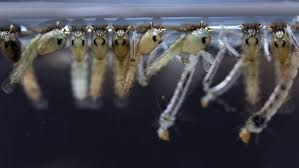
Some species overwinter as eggs or larvae in protected aquatic or semi-aquatic habitats (swamps, marshes, slow-moving water, or even damp soil) — effectively “pausing” their life cycle until spring. Maryland.gov Enterprise Agency Template+2cmmcp.org+2
-
For those overwintering as adults, the combination of shelter + diapause enables them to survive long winters with minimal feeding or activity. Maryland.gov Enterprise Agency Template+2OUP Academic+2
Because of these survival strategies, mosquitoes aren’t strictly a “warm-weather nuisance.” Hidden winter havens give enough protection that many survive until spring — meaning early-season mosquito control is often more effective than waiting until summer.
What This Means for Homeowners — Winter-Time Prevention Tips
If you want to reduce your risk of a mosquito surge come spring, winter is the perfect time to act. Here are practical steps:
-
Seal entry points & inspect structures — Check basements, crawlspaces, garages, sheds, and outbuildings. Seal cracks, install screens, and close off gaps around doors/windows to prevent mosquitoes from entering.
-
Remove or store water-holding items — Even small amounts of water in buckets, plant pots, gutters, or containers can help overwintering mosquitoes survive or prepare for spring — drain and store them properly.
-
Clean gutters, drains, and downspouts — Ensure no standing water remains that could serve as a breeding or resting site.
-
Clear woodpiles, remove debris, and tidy yard clutter — Tree hollows, stacked wood, leaves, or debris piles are common natural hiding spots. Keeping your yard clean reduces shelter opportunities.
-
Monitor damp, dark areas indoors — Basements, storage closets, and other seldom-used spaces can harbor overwintering adults — check periodically, ventilate, and maintain dryness.
-
Plan early-season inspections or treatments — Since mosquitoes may re-emerge early in spring — or even during warm winter spells — having a plan in place now can help prevent outbreaks before they begin.
Final Thoughts
Winter doesn’t guarantee safety from mosquitoes — many survive, quietly and invisibly, tucked away in sheltered winter havens. Understanding mosquito winter hiding places and taking preventive action now helps you stay one step ahead. By sealing shelters, removing stagnant water, and eliminating potential refuges, you can significantly reduce your mosquito risk before spring ever arrives.